
Passion Fruit Care Guide: Grow, Diagnose & Fix Problems
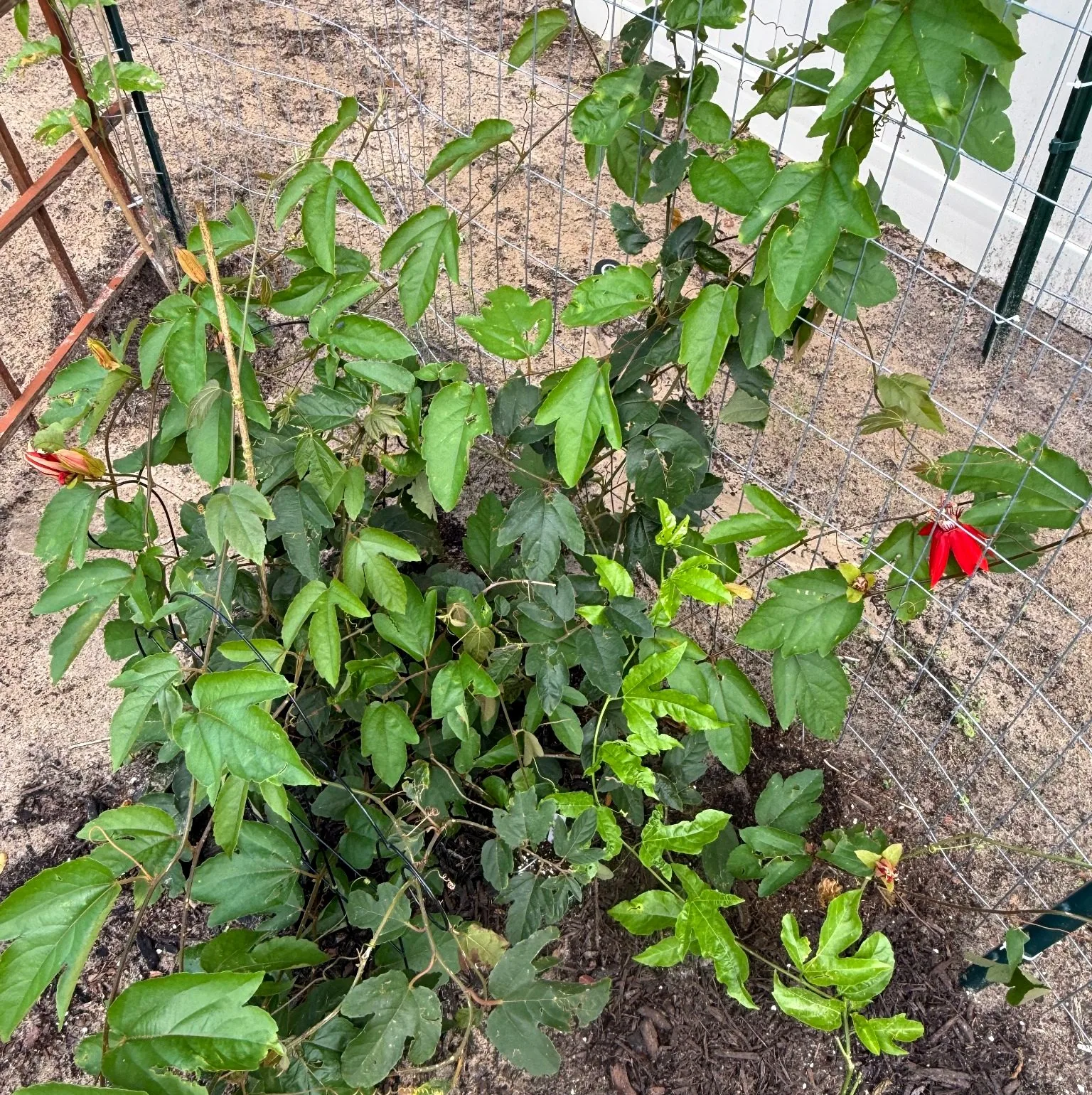
What Is Your Passion Fruit Plant Trying to Tell You?
Tap the symptom that looks closest to yours. Check the simple causes first before reaching for fertilizer or treatments.
My passion fruit leaves are yellow
Yellowing has several possible causes: naturally aging leaves, roots staying too wet, roots drying repeatedly, transplant stress, nutrient availability, pH, cold, or heat stress. Start with soil moisture and drainage, then compare old growth with new growth. A plant producing healthy green new growth is telling you something different from a plant whose newest leaves are becoming increasingly pale.
Do not diagnose by color alone. Look at which leaves are affected, whether veins remain green, and whether growth has slowed.
My vine is drooping—even though I watered it
Drooping is not an automatic command to add more water. Check the root zone first. A hot afternoon can temporarily wilt leaves, while saturated roots can also produce a wilted-looking plant. If soil is already wet, more water may make the problem worse.
My flowers keep falling off
Passion flowers are temporary. A flower can drop after unsuccessful pollination, weather stress, plant stress, or simply completing its bloom cycle. Watch the ovary at the base after pollination; swelling is the sign you want. For the deeper diagnostic, use our Passion Fruit Flower Drop Guide.
My vine grows like crazy but will not flower
First consider maturity, season, sunlight, pruning history and feeding. Very lush vegetative growth is not the same thing as reproductive growth. Avoid assuming that more fertilizer—especially more nitrogen—is automatically the answer.
Something is chewing holes in the leaves
Inspect both sides of the leaf and nearby stems before treating. Caterpillars can consume surprising amounts of foliage, but passion fruit vines also support a living garden ecosystem. Identify the visitor first so you do not unnecessarily remove beneficial predators or pollinators.
I transplanted it and now it looks terrible
Transplanting changes the plant's root environment, light exposure, temperature and water balance all at once. Keep moisture consistent, avoid piling mulch against the stem, and do not respond to temporary stress by making five more changes. Watch the newest growth for recovery.
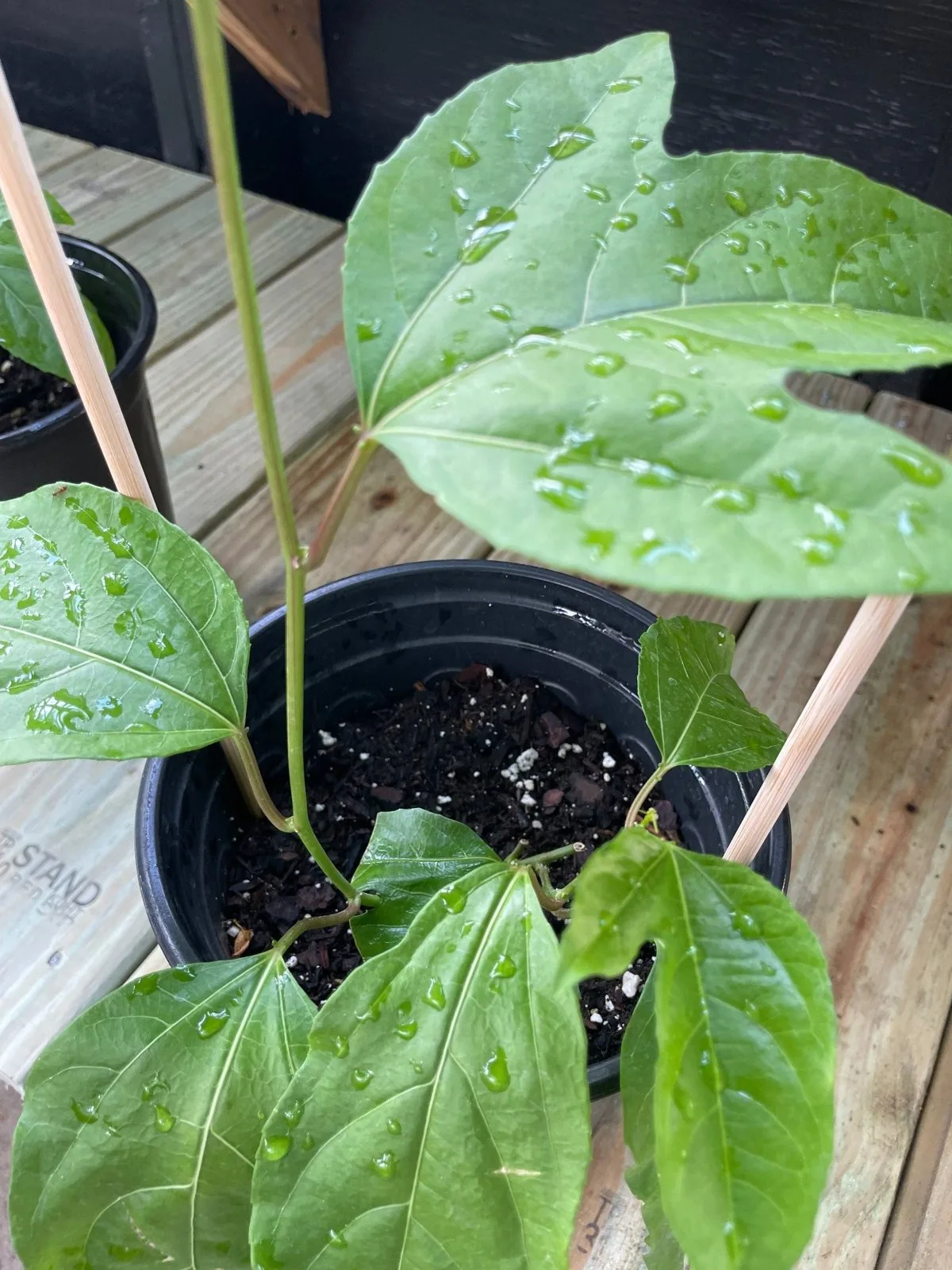
Water the Root Zone, Not the Calendar
How often should I water passion fruit?
There is no reliable one-number schedule. Pot size, root mass, temperature, wind, sun, rainfall and soil all change how quickly water is used. Check the soil and plant rather than watering only because a certain number of days passed.
How do I know when it actually needs water?
Feel below the surface and notice the weight of a container. If the upper root zone is drying and the pot feels noticeably lighter, water thoroughly. Newly planted vines need closer attention while roots expand into surrounding soil.
Can passion fruit be overwatered?
Yes. Passion fruit wants moisture but also oxygen around its roots. Constantly saturated, poorly draining soil can stress roots. Drainage holes, sensible soil structure and not leaving pots in standing water are important.
Do pots need more water than in-ground vines?
Often. A container has a limited soil volume and can heat and dry quickly. A well-rooted vine in a small black nursery pot may use water much faster than an established vine with roots spreading through the ground.
What changes during Florida rain?
Rainfall counts. Check the root zone before adding irrigation after repeated storms. Florida weather can swing from soaking rain to intense heat quickly, so observation beats a rigid schedule.
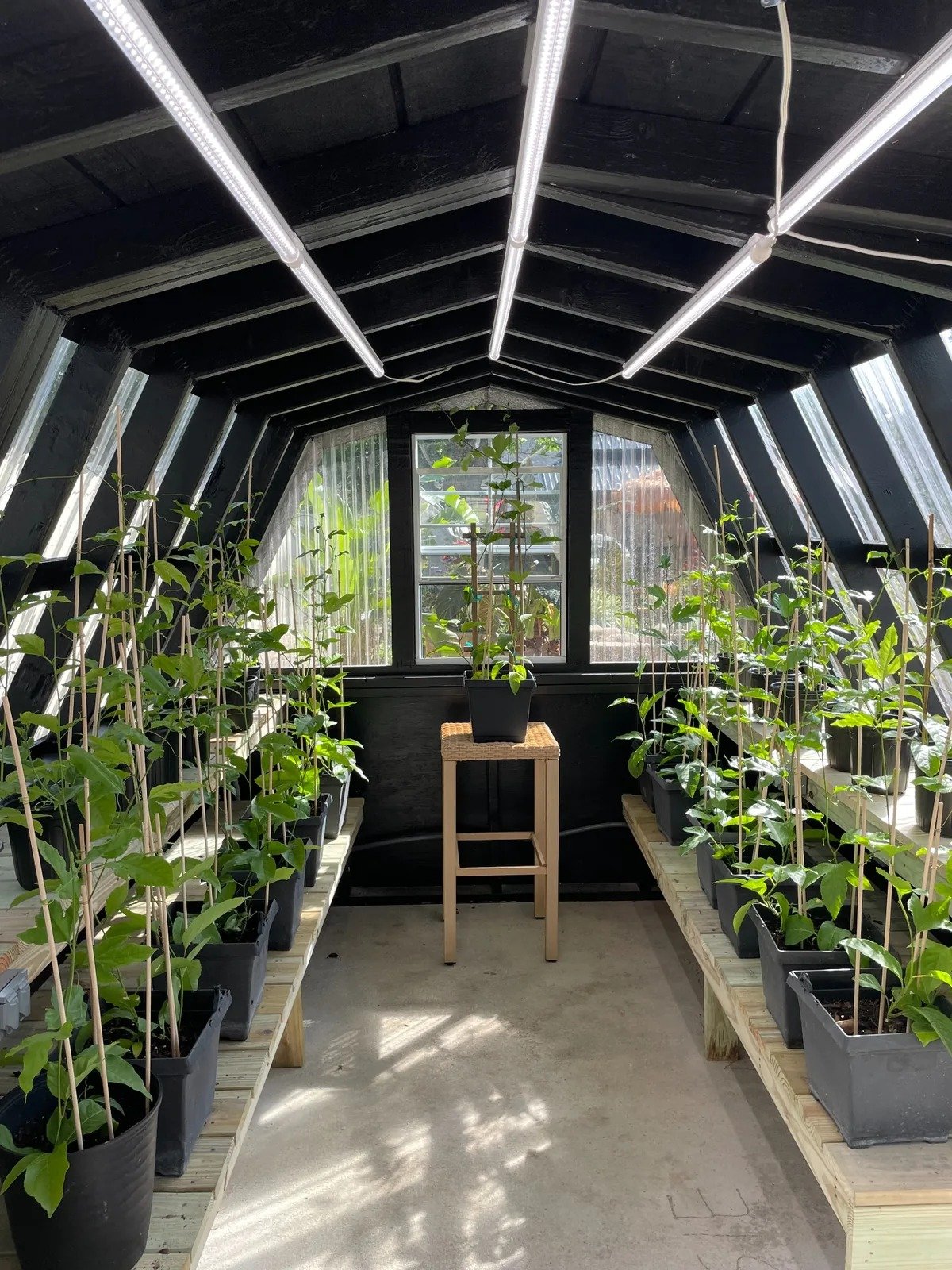
More Sun Is Not Always Better on Day One
Does passion fruit need full sun?
Strong light supports vigorous growth and flowering, but a greenhouse-grown or sheltered plant should be acclimated to harsher outdoor conditions gradually. Sudden exposure can stress leaves before roots and foliage adjust.
What is the safest way to acclimate a new plant?
Increase direct sun progressively rather than moving a protected plant straight into an exposed all-day location. Morning light is generally gentler than peak afternoon heat. Keep water needs under closer observation during the transition.
Why does my plant droop in the afternoon?
High heat and sun can temporarily increase water loss faster than roots can replace it. Check whether the plant recovers as conditions cool and confirm soil moisture before deciding it needs additional irrigation.
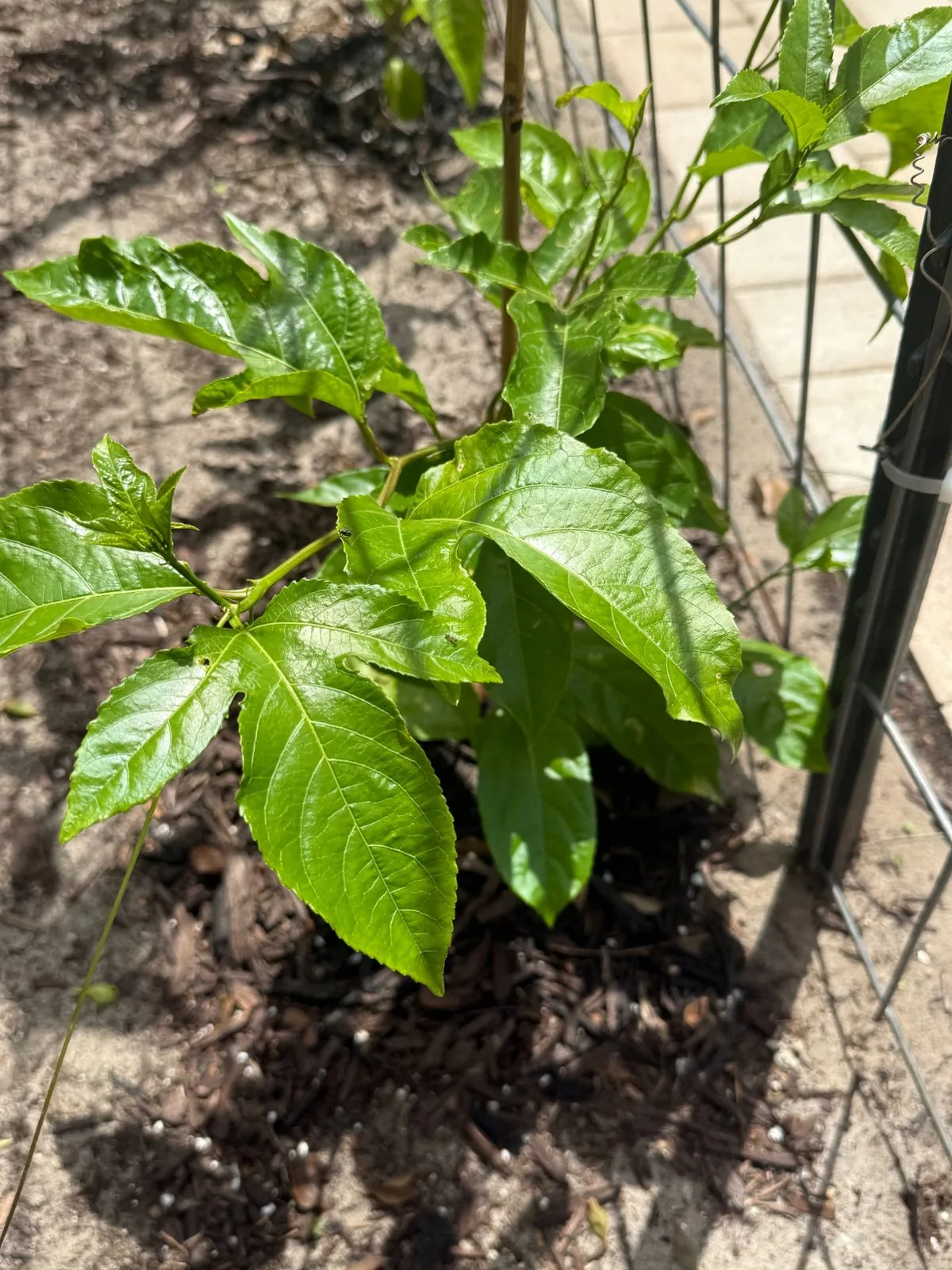
Feed the Plant You Have—not the Plant You Wish It Was
What soil does passion fruit like?
Use fertile soil that holds useful moisture while still draining well. In containers, drainage holes are essential. In sandy Florida ground, organic matter and mulch can help moderate moisture around the root zone.
What fertilizer should I use?
A balanced fruiting-plant program should supply macronutrients and needed micronutrients without forcing excessive soft growth. Follow the product label and adjust based on the plant's stage and appearance rather than repeatedly adding fertilizer whenever something looks different.
Can too much nitrogen hurt flowering?
Excessive nitrogen can favor vigorous leafy growth over the balance you want for flowering and fruiting. A huge green vine is not automatically a productive vine.
Should I fertilize a stressed or newly transplanted vine?
Usually the first priority is helping roots re-establish with appropriate moisture, drainage and light. Avoid trying to force a stressed plant into rapid growth with heavy feeding.
How should I transplant it?
Water the plant first, prepare a hole wider than the root ball, keep the original soil line close to grade, settle soil gently, water thoroughly, and mulch around—not against—the stem. See our complete planting walkthrough.
Can passion fruit grow in a container?
Yes. Give it drainage, increasing root space as it grows, dependable watering and a strong support. Remember that a mature climbing vine can become much larger than the pot it started in.
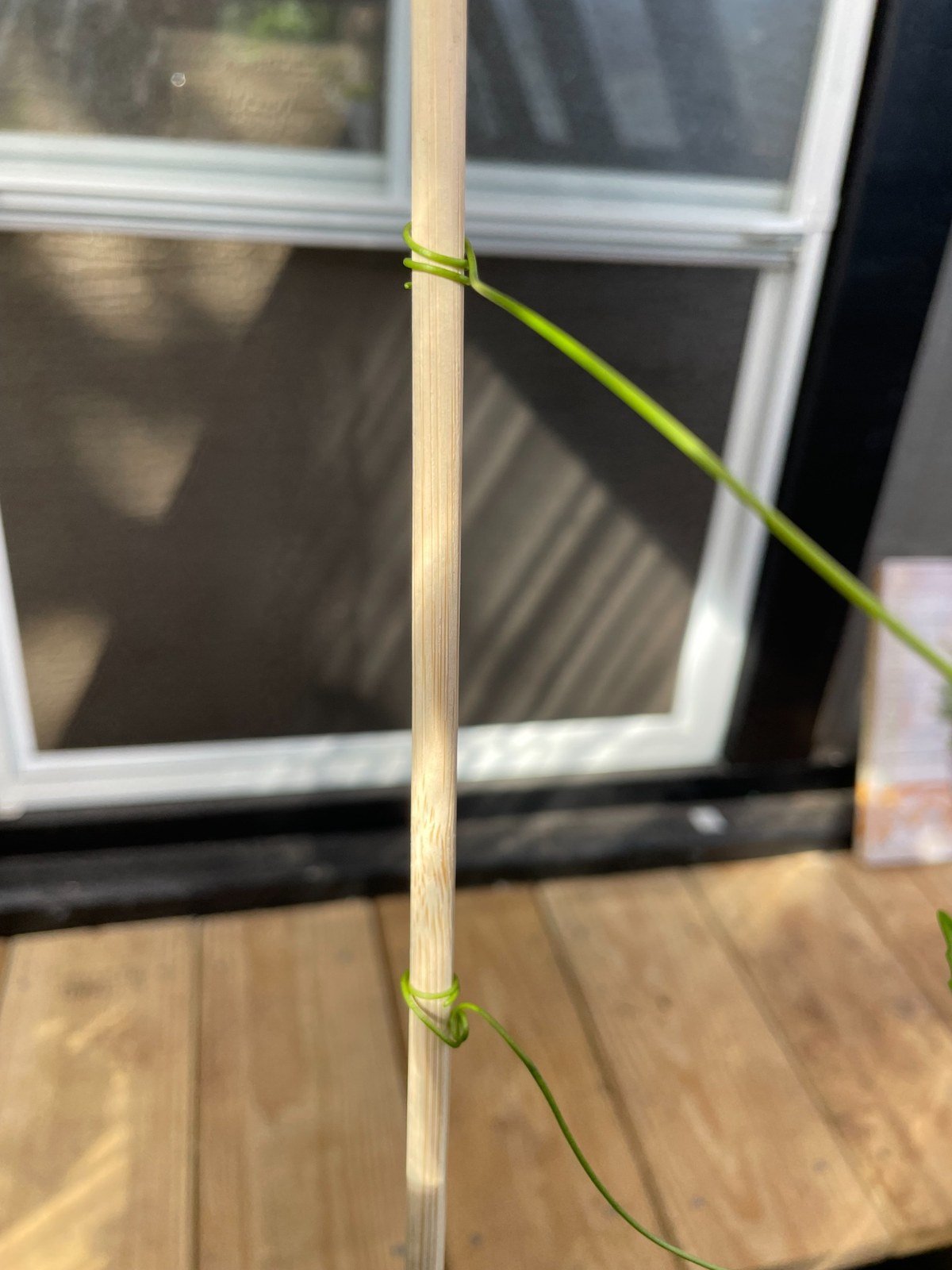
Give the Vine Somewhere to Go Before It Chooses for You
Does passion fruit really need a trellis?
Yes. Passion fruit is a climbing vine. A strong fence, cattle panel, arbor, pergola, arch or trellis gives the plant a framework for its tendrils and spreading growth.
How do I train a young vine?
Guide a healthy leader toward the support and secure it loosely only when necessary. Once tendrils find the structure, they can do much of the attachment work themselves.
How big can the support need to be?
Plan for an established vine, not the little nursery plant in front of you. Passion fruit can cover substantial space under favorable conditions, and foliage plus fruit adds weight.
When should I prune?
Remove dead, damaged and badly tangled growth as needed. Structural pruning can improve access, airflow and training, but avoid unnecessarily severe pruning when the vine is already stressed by heat, cold, transplanting or heavy fruiting.
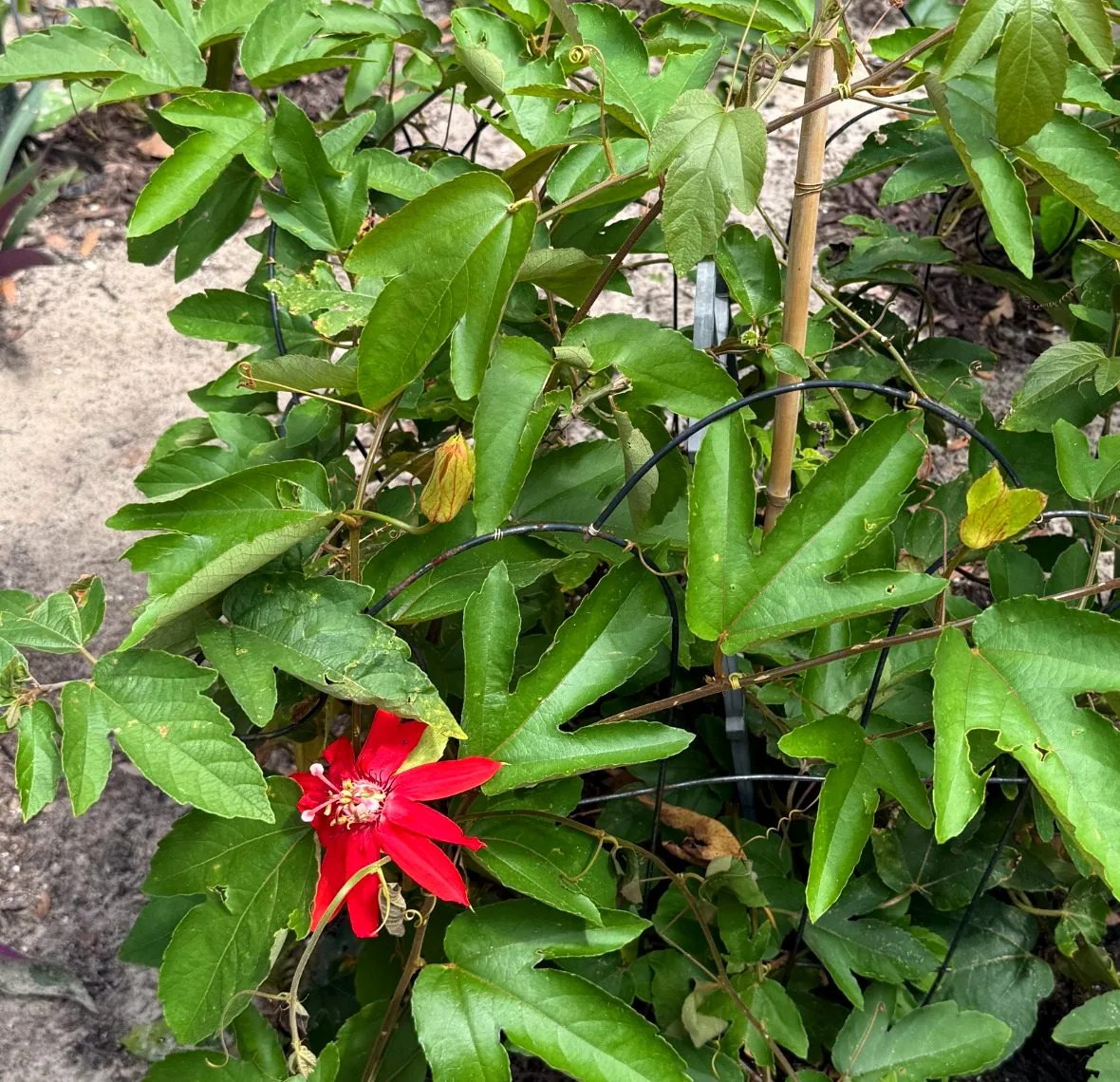
A Flower Is an Opportunity, Not a Guaranteed Fruit
Why isn't my passion fruit flowering yet?
Maturity, variety, season, light, pruning, root establishment and nutrition all influence flowering. Concentrate first on building a healthy supported vine rather than trying to force a young plant to bloom.
How long is a passion flower open?
Individual passion flowers are short-lived, so pollination opportunities can be brief. Watch newly opening flowers during the active part of the day rather than assuming the same bloom will remain receptive for days.
Can I hand-pollinate passion fruit?
Yes. Hand pollination transfers fresh pollen from the anthers to receptive stigmas. Compatibility differs among passion fruit types, so knowing which variety/species you grow matters.
Do I need two plants?
Not every passion fruit behaves the same way. Some selections can self-pollinate more readily while others benefit from or require compatible cross-pollination. Use our Passion Fruit Variety Comparison before assuming one rule fits Purple, Yellow, Red and Giant Granadilla.
Can rain interfere with pollination?
Heavy rain during the short flowering window can reduce insect activity and physically interfere with pollen transfer. Weather is one reason a flower may not set even when the vine itself looks healthy.
How soon can I tell whether pollination worked?
Watch the ovary at the base of the spent flower over the following days. Continued swelling is encouraging; a flower that dries and drops without enlargement did not progress into a developing fruit.
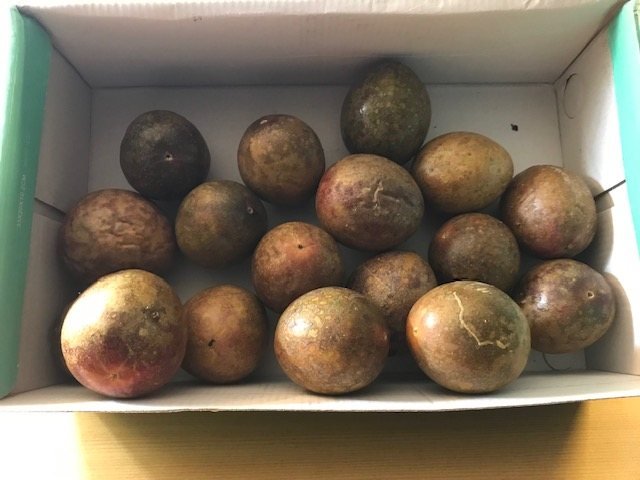
From Flower to Fruit: What Happens Next?
How long does passion fruit take to make fruit?
There is no universal countdown. Species, temperature, season and growing conditions affect development. First look for successful fruit set after flowering; then let the fruit mature according to the variety you are growing.
Why did a tiny developing fruit fall off?
Possible contributors include incomplete pollination, sudden moisture changes, heat, plant stress or a young vine carrying more than it can support. One dropped fruit does not automatically mean the vine is unhealthy.
How do I know when passion fruit is ripe?
Ripening cues differ among species and cultivars. Color change, aroma, skin character and natural drop can all be useful clues. Compare the fruit to the expected mature appearance of your specific variety rather than using Purple passion fruit rules for every Passiflora.
Should I pick the fruit or let it fall?
For common passion fruit, naturally fallen mature fruit is often ready or close to ready, but harvesting behavior differs by type. Keep fallen fruit collected promptly and use variety-specific ripening cues.
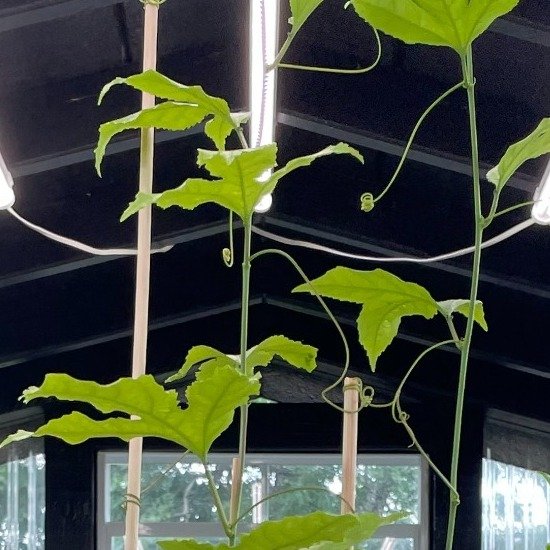
Read the Pattern Before You Treat the Leaf
Why are older leaves yellow but new leaves look good?
Individual older leaves naturally age and can be shed. If new growth is healthy and the overall vine is advancing, one older yellow leaf is much less alarming than progressive yellowing across the plant.
Why are the newest leaves pale?
Pale new growth can point toward nutrient availability, root stress or pH-related uptake problems, among other causes. Check watering and roots first, then evaluate the pattern before adding random nutrients.
Should I remove ugly or damaged leaves?
Remove dead or badly diseased material when appropriate, but a cosmetically imperfect green leaf can still photosynthesize. Do not strip a young vine simply because outdoor leaves are not showroom-perfect.
Will a damaged passion fruit vine recover?
Often, if healthy roots and living stem tissue remain. Look for green tissue and new buds. Recovery after cold, chewing or physical damage depends on how much living plant remains and whether the original stress has ended.
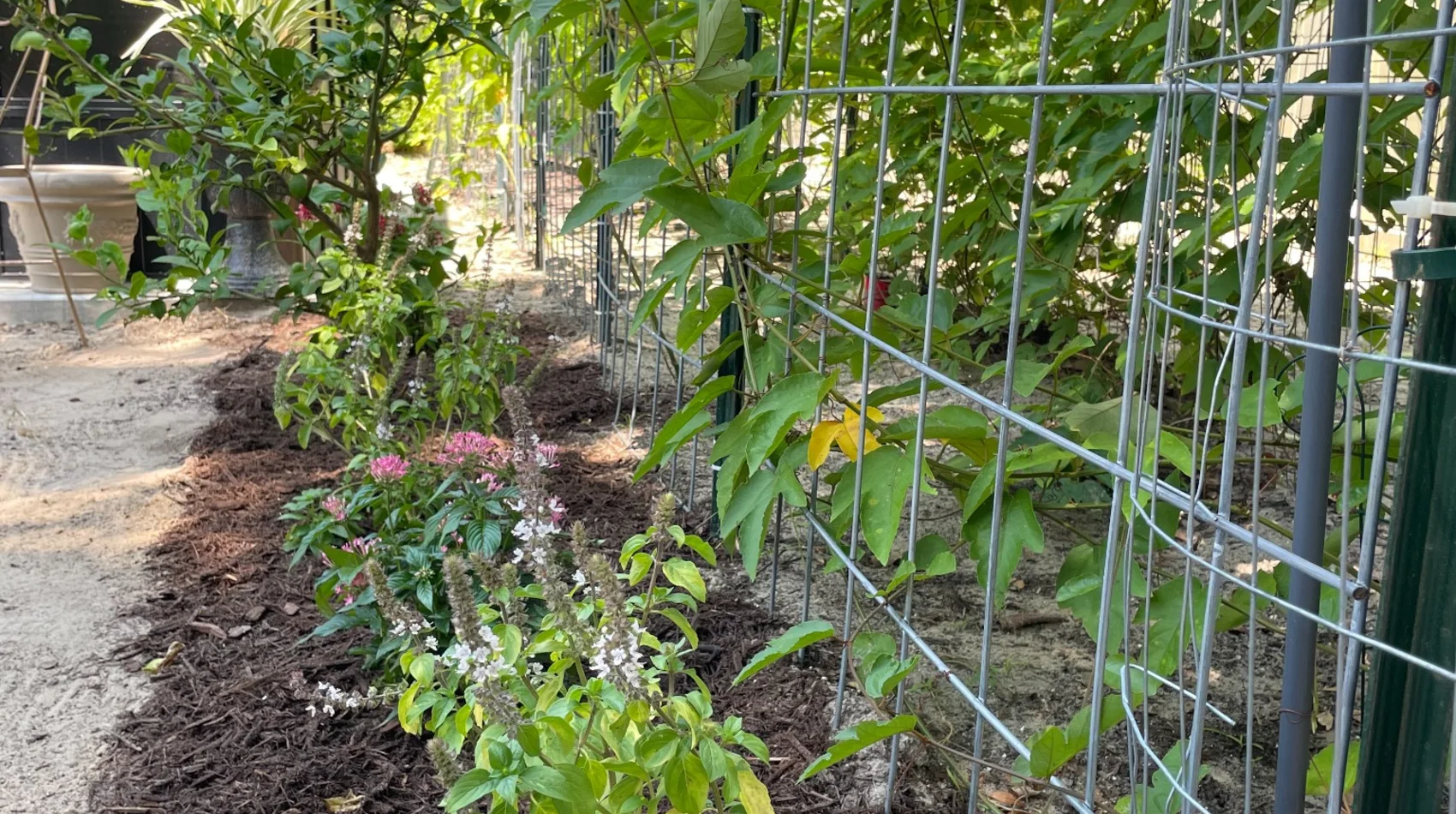
Identify First. Treat Second.
What commonly eats passion fruit leaves?
Caterpillars and other chewing insects can leave holes or missing leaf tissue. Inspect the plant directly, including undersides and tender tips, so you know what is present before choosing a response.
Why are ants on my passion fruit vine?
Ants may be attracted to sugary resources on Passiflora and can also appear around sap-feeding insects that produce honeydew. Their presence is a reason to inspect—not proof by itself that the plant needs treatment.
Are wasps around the vines bad?
Not necessarily. Many wasps hunt caterpillars and other insects, and some visit plant nectar sources. They can be useful members of the garden food web. Give nests appropriate space and avoid disturbing defensive colonies.
How do I protect pollinators while managing pests?
Start with identification and the least disruptive effective response. Avoid spraying open flowers or broadly treating a plant simply because an insect is present. Passion fruit production benefits from a garden that still welcomes pollinators.
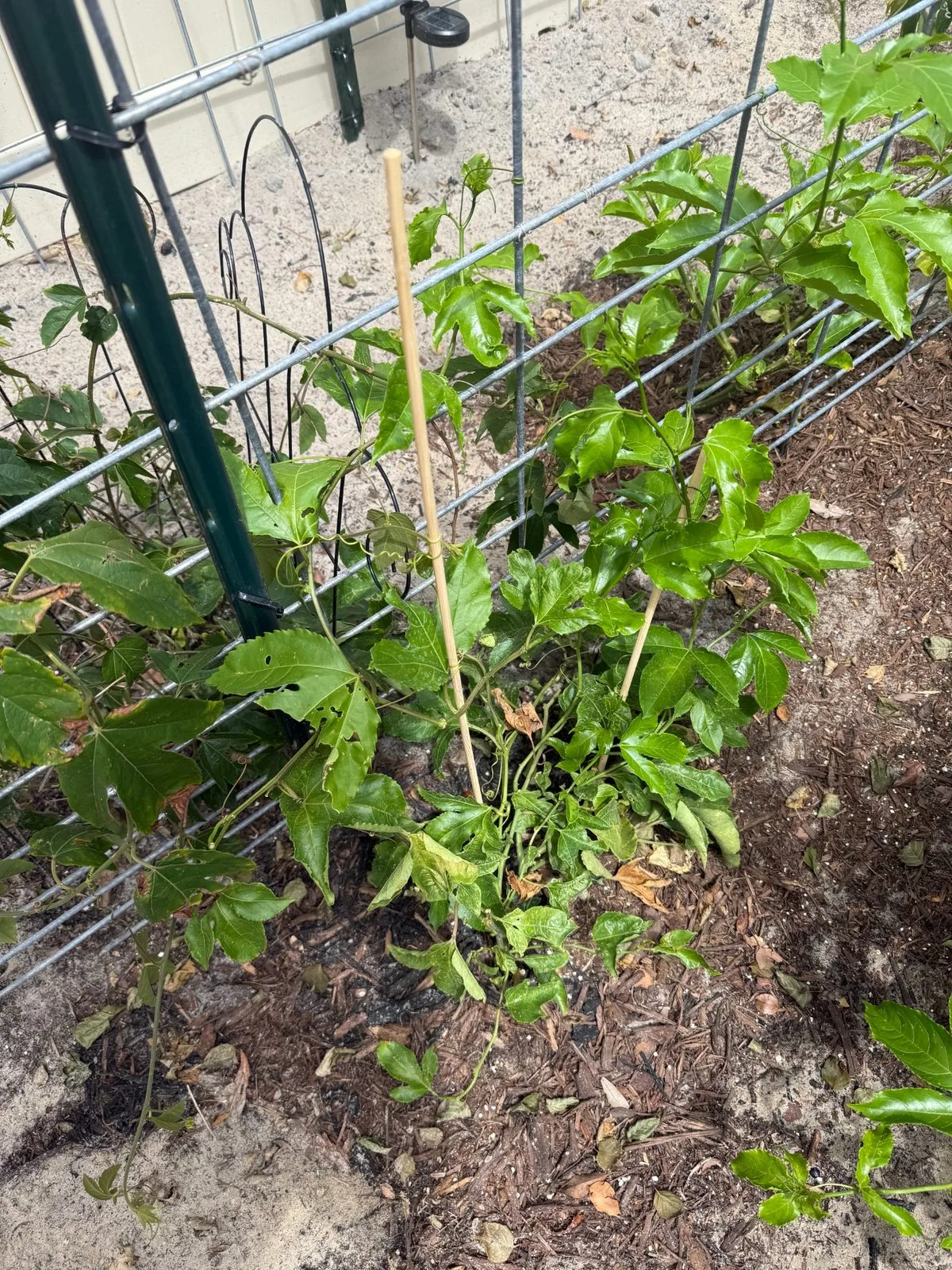
The Same Vine Can Need Different Care Next Month
What should I change during extreme heat?
Check moisture more frequently, especially in containers, and avoid making stressful changes at the hottest part of the day. Newly transplanted or recently acclimated plants deserve extra observation.
What should I do during days of heavy rain?
Pause automatic watering when the root zone is already wet and make sure containers drain freely. Watch for waterlogged areas around in-ground vines.
How do I protect passion fruit from a cold snap?
Protect young vines and the root zone before the cold arrives. Move manageable containers to shelter when practical and use appropriate frost protection for exposed plants. Keep covers from crushing tender growth.
My vine looks dead after cold weather. Is it?
Do not judge only by damaged leaves. Check stems progressively lower for living green tissue and wait for suitable recovery weather before making drastic cuts. Roots and lower stems can sometimes survive even when exposed growth is badly damaged.
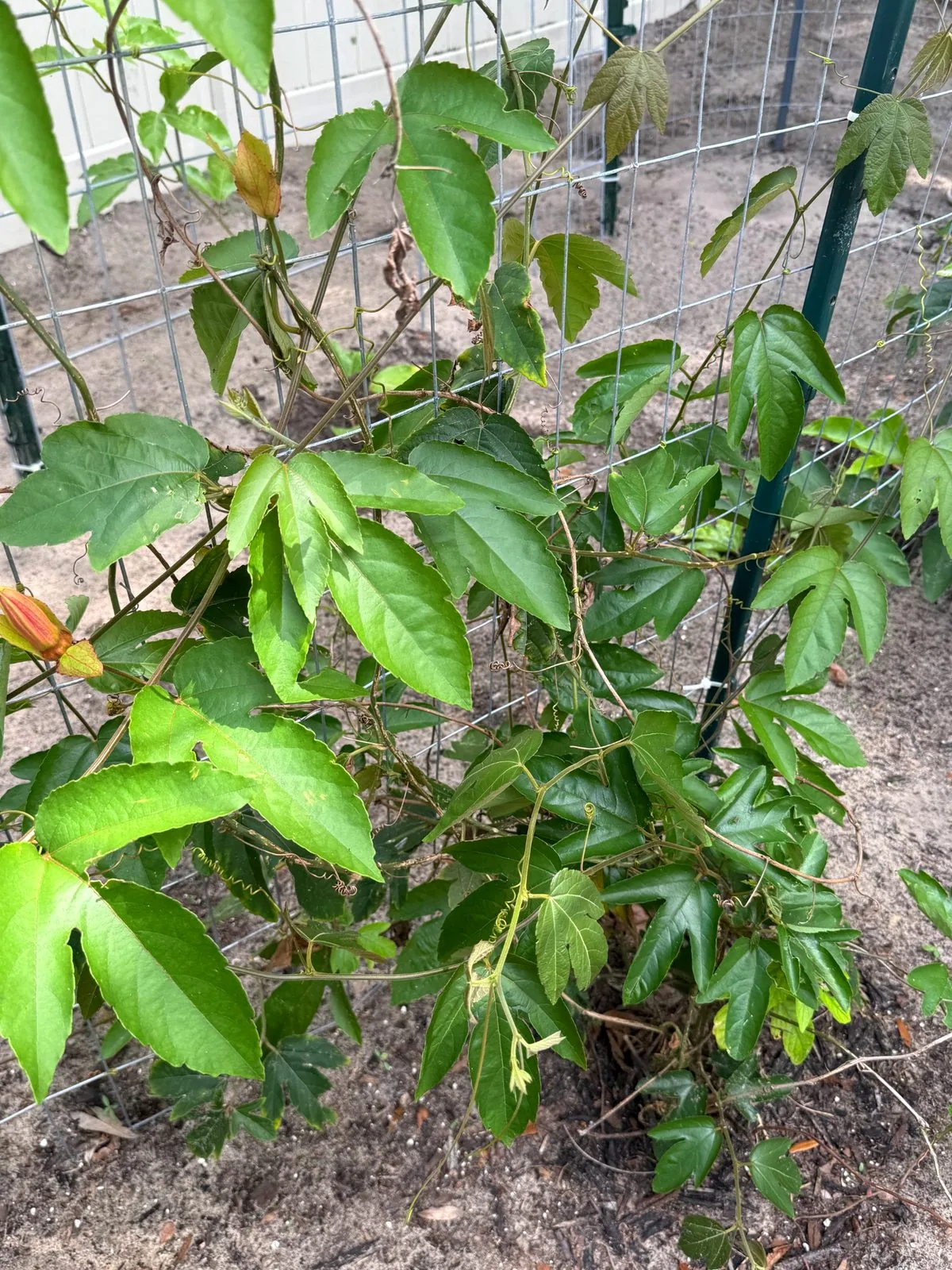
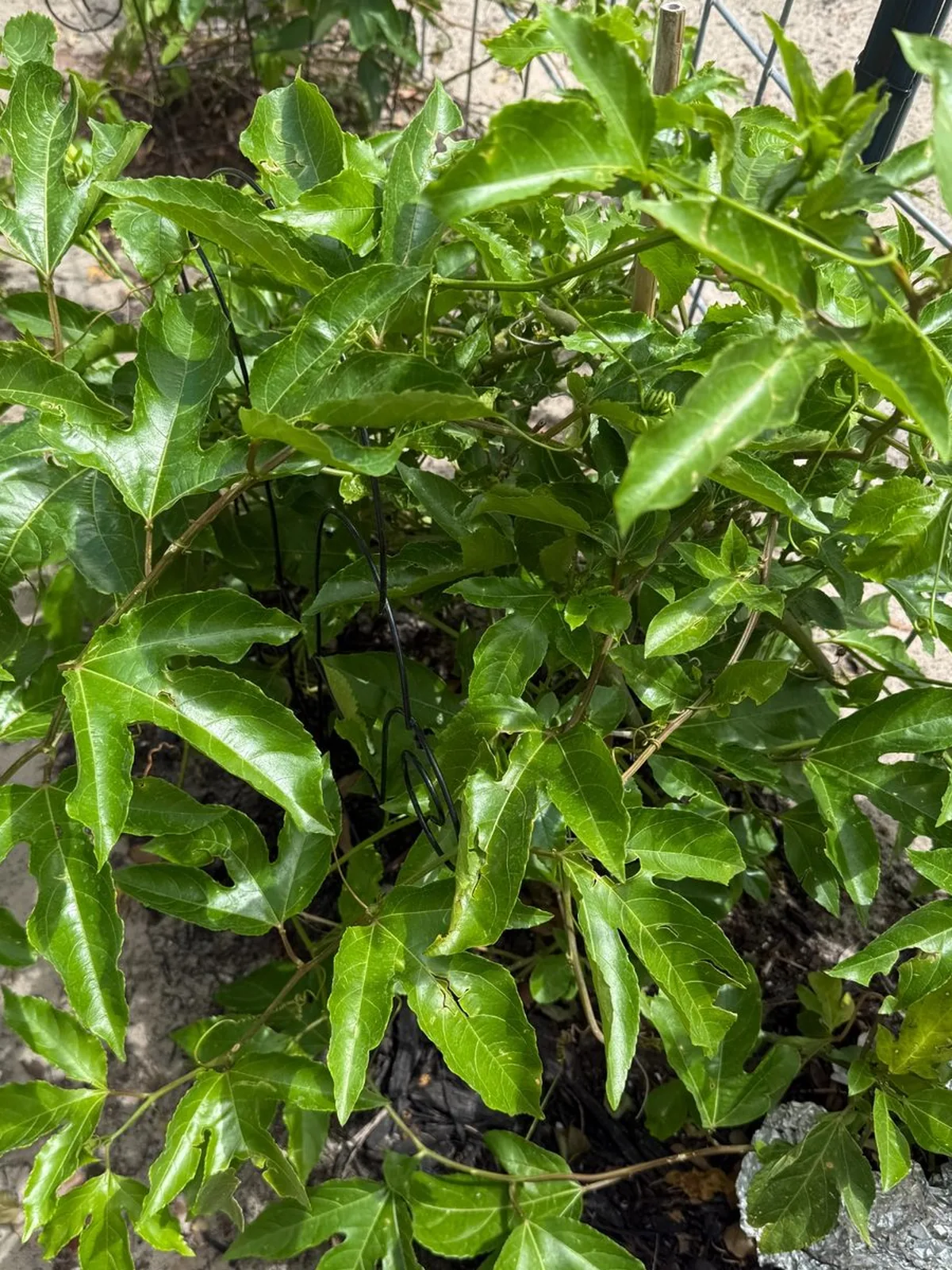
See What Healthy Growth & Training Look Like
Tap any image for a closer look.
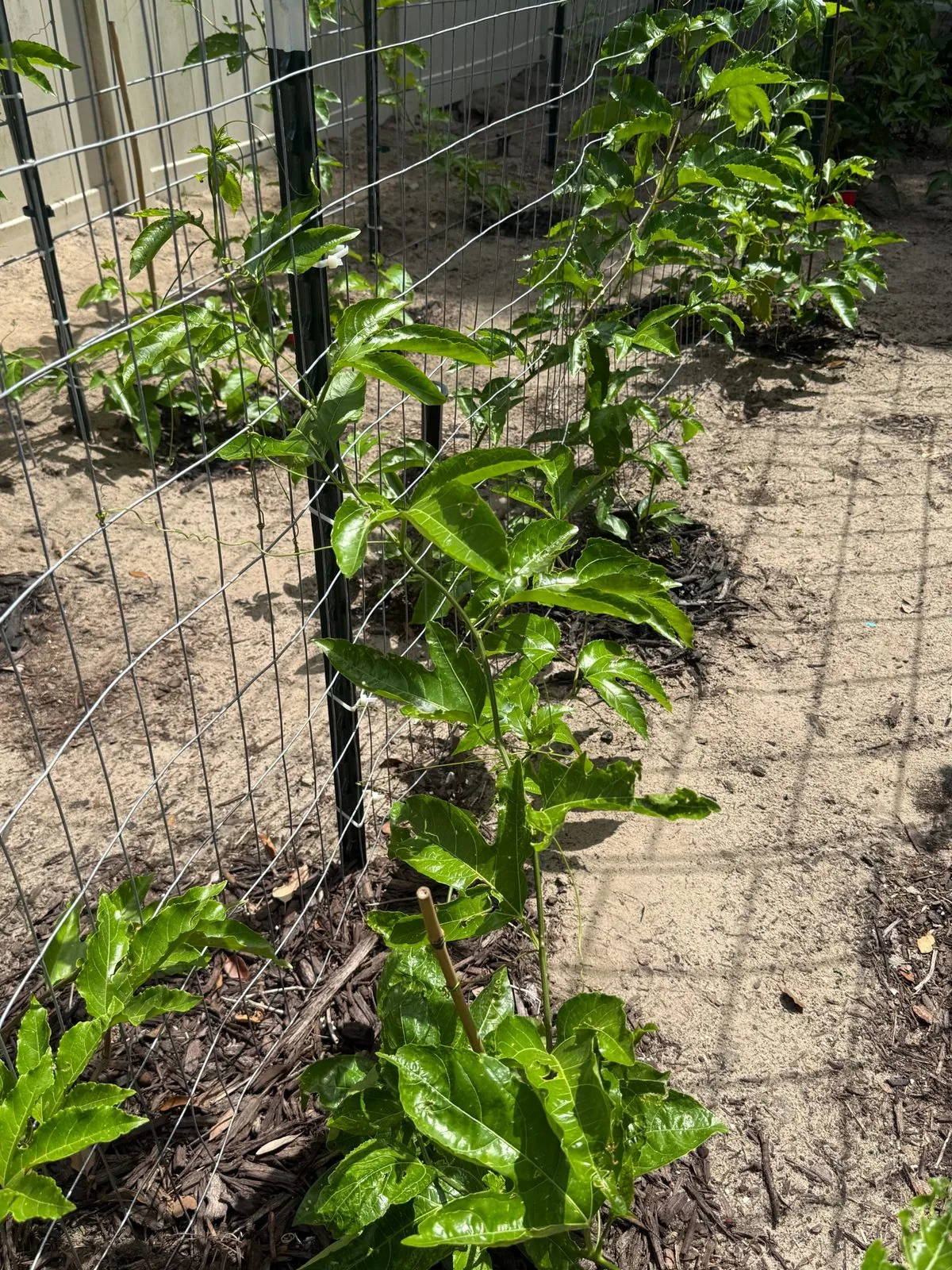
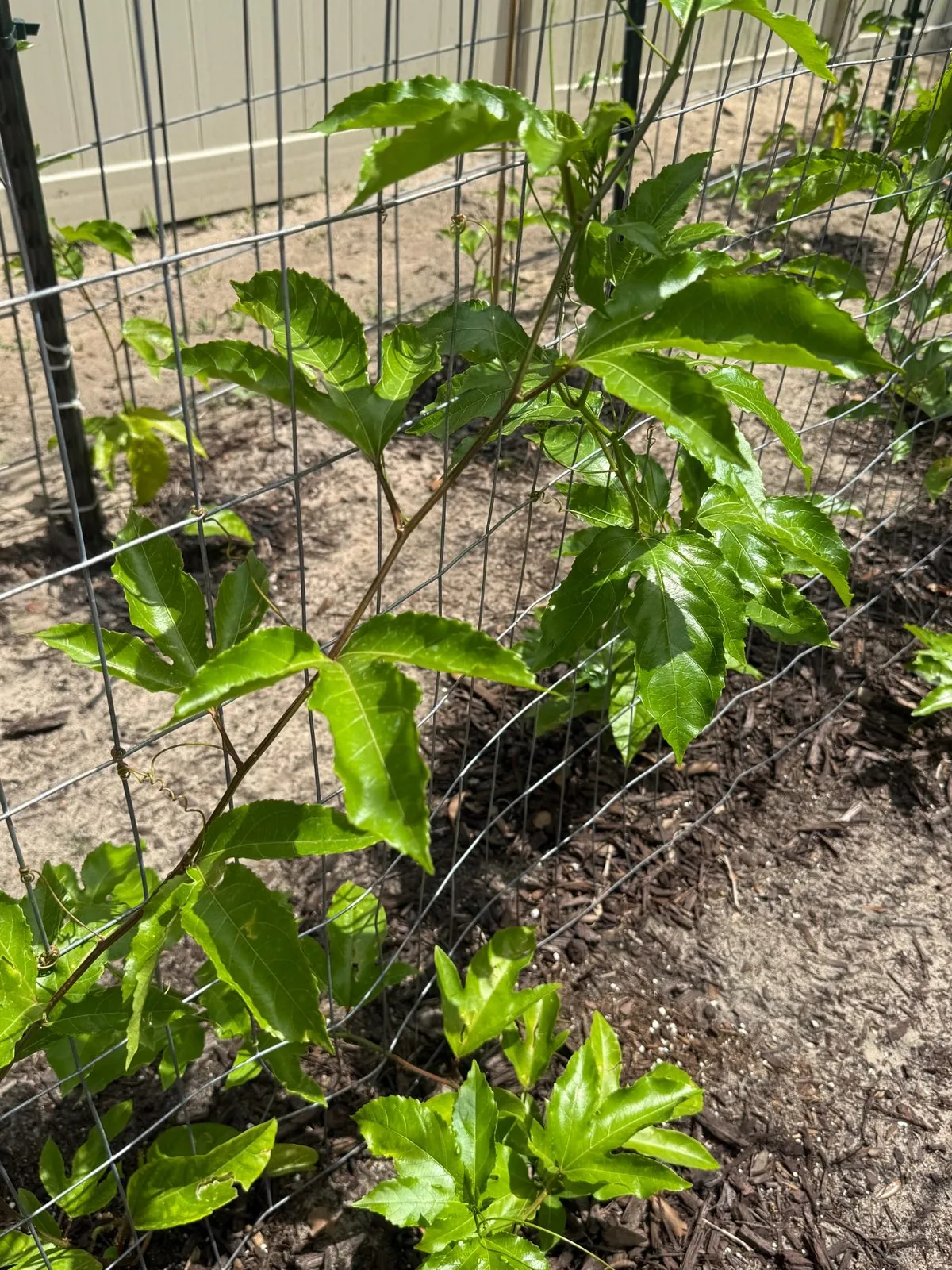
Know Your Variety. Then Care for It Better.
Purple, Yellow, Red and Giant Granadilla do not behave exactly the same. Compare growth, fruit, flowers, pollination and space before applying one-size-fits-all advice.
Looking for passion fruit plants near Oviedo or Orlando?
John’s Passion Fruit Express is a Florida State Registered Nursery in Oviedo specializing in greenhouse-grown passion fruit plants. Explore local availability, Central Florida growing guidance, or current plants ready to ship or arrange for local pickup.