
Aromatic, familiar, and often the most practical all-around starting choice.
Start here
Compare what actually matters.
🍈What is each one best known for?
Bright fruit and vigorous growth for growers who can give it reliable warmth and space.
A less-common choice for growers interested in distinctive passion fruit types.
Broad leaves, massive growth potential, and exceptionally large fruit when conditions are right.
🌿Which one needs the most room?
Give it a substantial fence, arch, or trellis and room to run horizontally.
Expect strong warm-season growth and plan support before the plant starts searching for it.
Treat it as a true climbing Passiflora, not a compact patio shrub.
The heavyweight here. Build for a mature tropical vine, not for the size of the starter plant.
❄️Which one makes the most sense for Central Florida?
Well suited to long warm seasons with drainage, sun, support, and a freeze-protection plan.
A stronger tropical tendency means cold exposure deserves more attention.
Best approached as a specialty plant whose exact performance depends heavily on genetics and placement.
Months of Florida heat can suit it beautifully, but winter protection is not an afterthought.
🪴Which one works best when space is limited?
A large container plus dependable support can be a realistic long-term strategy.
Container growing is possible, but vigorous growth raises the water, feeding, and support workload.
A container can work during establishment, but plan for a climbing plant as it matures.
Mobility helps while young, but mature scale eventually becomes the limiting factor.
🌸Which one is easiest to get fruit from?
Many purple P. edulis selections are self-compatible, although pollen still has to reach the stigmas.
Yellow forms can have different compatibility behavior, making pollinator activity and hand pollination especially worth understanding.
“Red” can cover different genetics, so we avoid promising pollination behavior without cultivar-level certainty.
Flowering, compatible pollen, pollinator activity, warmth, and plant maturity all matter.
👍Which one should a first-time grower choose?
The best balance of classic passion fruit character, manageable expectations, and flexible growing options.
A better fit when you understand its vigor and are prepared for its tropical preferences.
Choose it because you want to explore a specialty type, not because you expect the simplest path.
Spectacular when you have warmth, structural support, and enough room to let it be giant.
Grown and photographed at our Oviedo greenhouse
Compare Passion Fruit Varieties
See the real differences between Purple Passion Fruit, Yellow Passion Fruit (Maracuyá), Red Passion Fruit, and Giant Granadilla—then choose the plant that fits your space, climate, and growing goals.
John’s Passion Fruit Express is a Florida State Registered Nursery specializing exclusively in passion fruit plants.
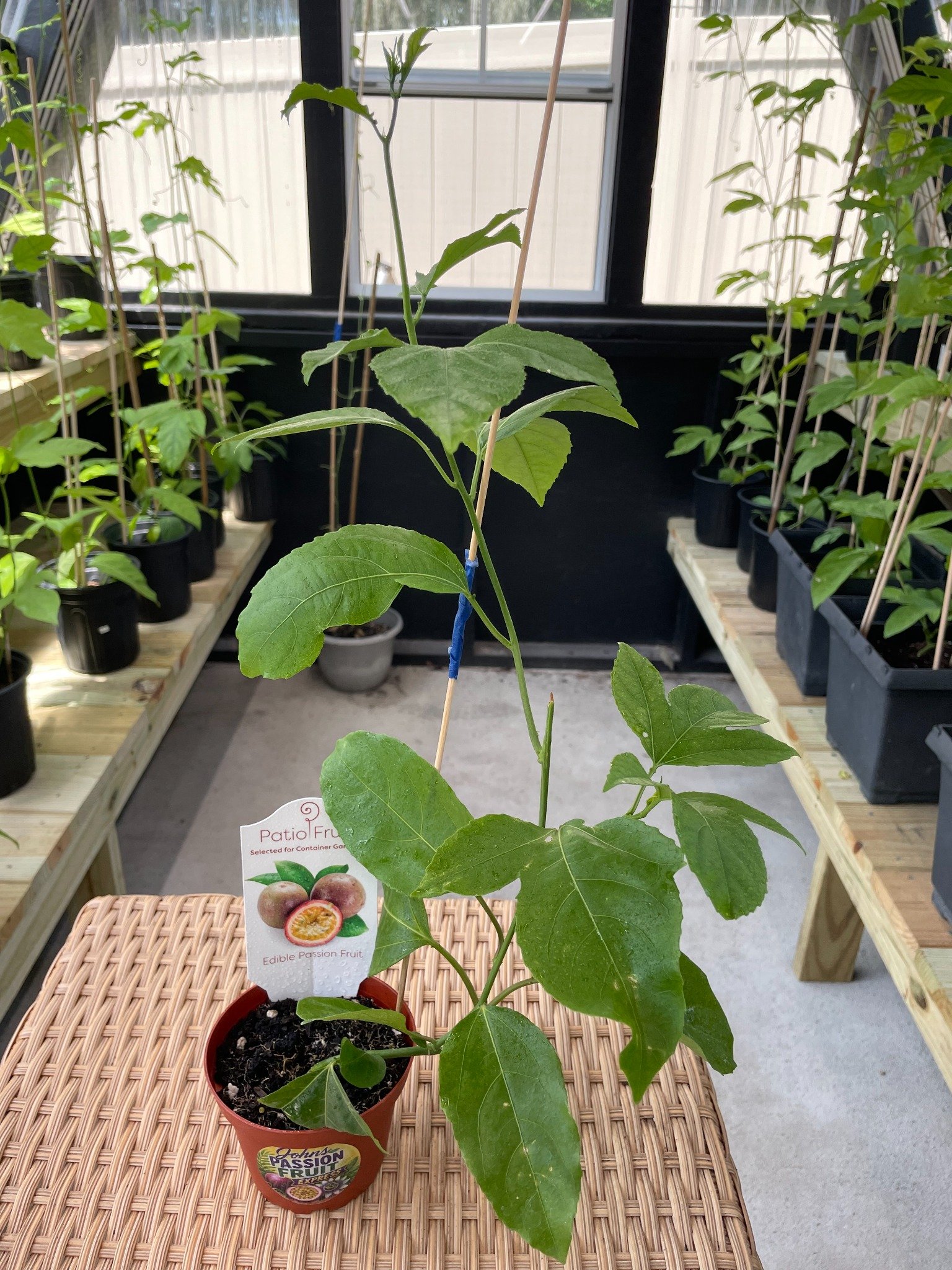
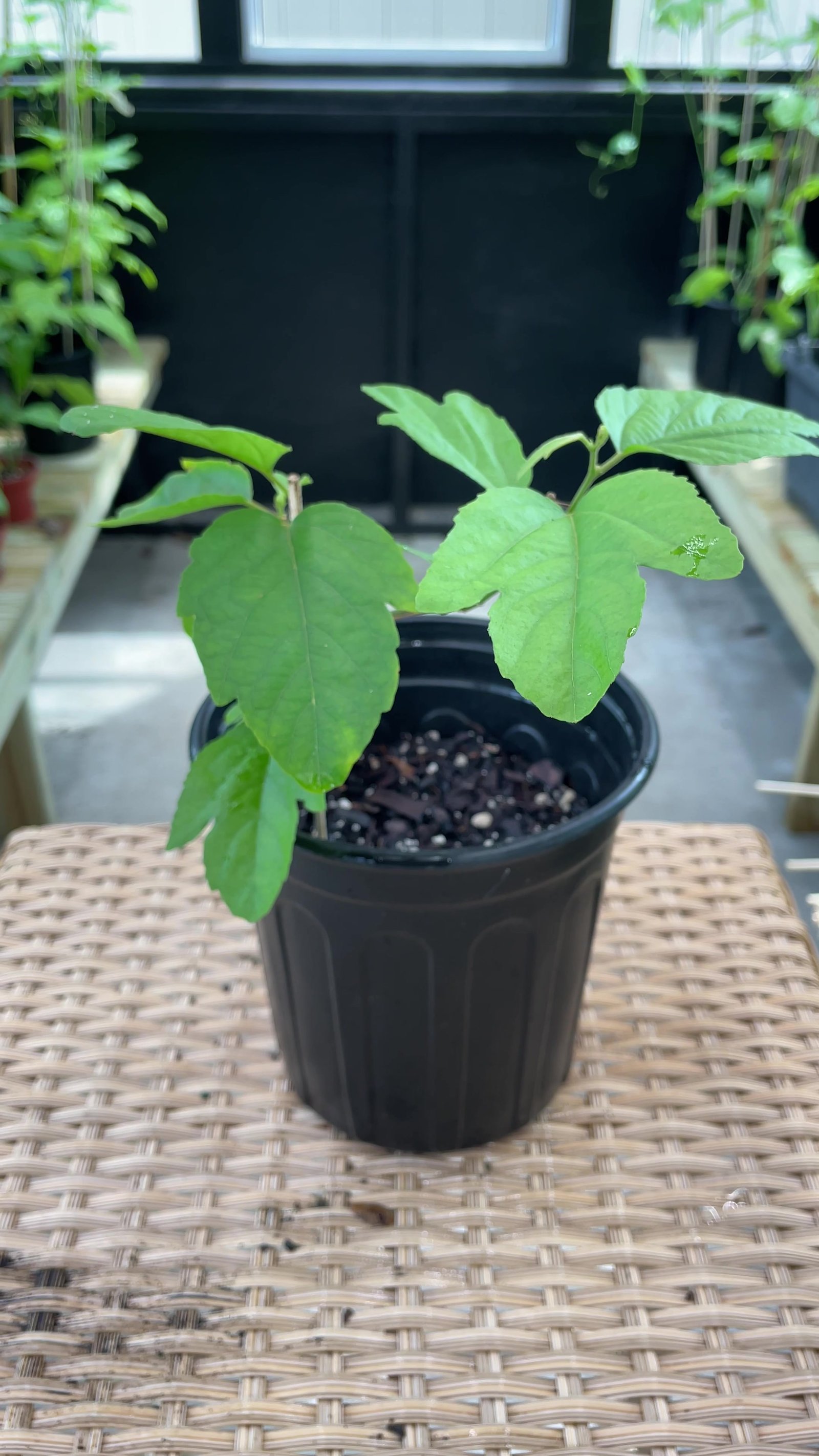
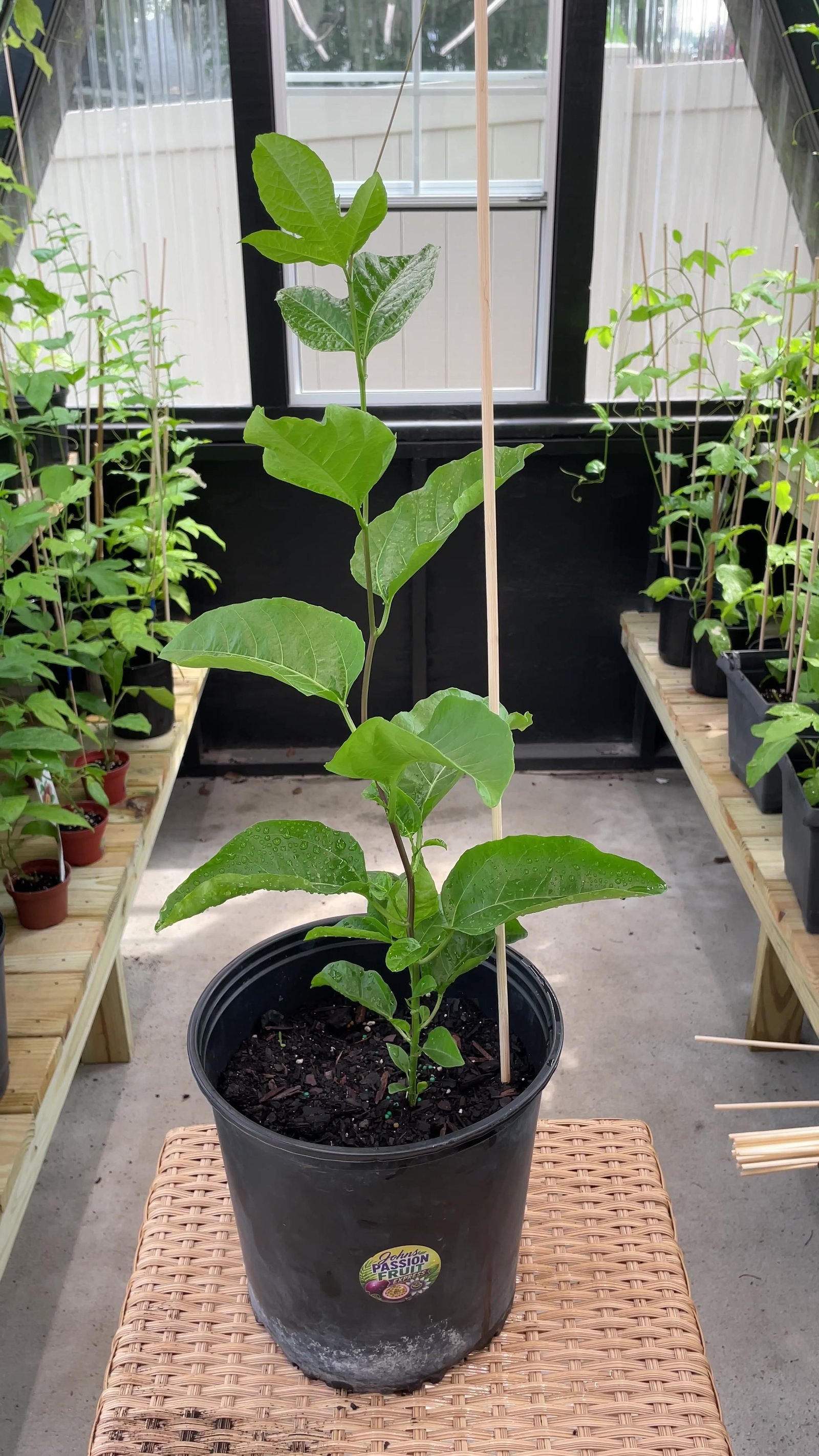
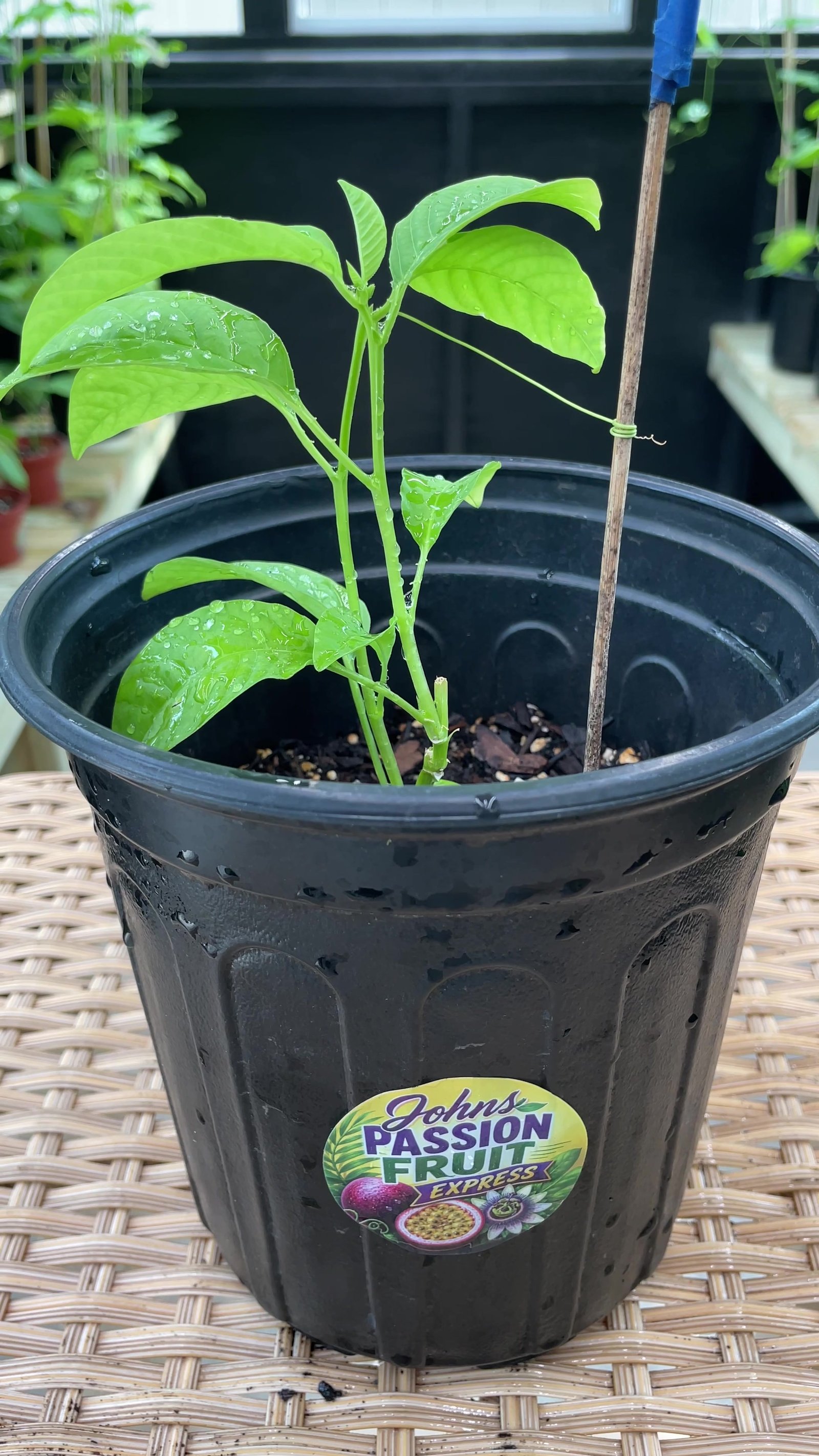
At-a-glance guide
Which passion fruit plant is right for you?
| Feature | Purple | Yellow / Maracuyá | Red | Giant Granadilla |
|---|---|---|---|---|
| Best known for | Classic flavor and approachable growing | Warm-climate vigor and bright fruit | Distinctive variety and collector appeal | Huge tropical growth and giant fruit potential |
| Climate tendency | Subtropical; protect from freezes | Warm and tropical leaning | Warm conditions preferred | Strongly tropical and cold-sensitive |
| Support needed | Large trellis, fence, or arch | Large trellis or fence | Strong climbing support | Extra-large heavy-duty structure |
| Container potential | Good in a large pot with support | Possible with substantial care | Possible while young | Best as a starter only; needs major space long term |
| Beginner fit | Often the easiest starting point | Best for reliably warm locations | For growers exploring uncommon types | For tropical-fruit growers with room |
The classic all-around choice
Purple Passion Fruit
Passiflora edulis
Purple passion fruit earns its popularity honestly: intensely aromatic fruit, a vigorous climbing habit, and a growing profile that makes sense for many Florida gardeners. It still wants sun, drainage, support, pollination activity, and protection from hard freezes—but among the passion fruits we grow, it is often the easiest place to begin.
Best fit: A strong match for first-time passion fruit growers, gardeners who want classic flavor, and people who need the flexibility of a large container or substantial trellis.
Pick the question you actually care about.Each section opens into practical growing details without turning the page into a wall of text.
What Does Purple Passion Fruit Actually Taste Like?
Purple types are generally prized for a rich tropical aroma and a sweet-tart flavor that can taste more dessert-like than many yellow types. Inside the rind are black seeds wrapped in juicy orange-yellow arils—the edible part that delivers the fragrance and flavor. Fruit quality varies with genetics, ripeness, weather, nutrition, and pollination, so skin color alone should never be treated as a guarantee of sweetness. Fully mature fruit may wrinkle after harvest as moisture is lost; wrinkling is not automatically a sign that the pulp has spoiled.
JPFE takeaway: Use ripe pulp fresh, spoon it over yogurt, strain it for drinks, or use it anywhere a concentrated tropical flavor works.
How Big Will This Thing Get—and What Will It Grab?
Passion fruit is a climbing vine, not a tidy shrub. New shoots search for support and use curling tendrils to grab wire, fencing, arches, and neighboring growth. In a long Florida growing season, a healthy plant can cover substantial horizontal space. Give it a strong trellis before it needs one; retrofitting support after the vine has tangled itself through everything is much harder.
JPFE takeaway: Flowers form on new growth, so the goal is not merely a giant mass of old vine. Training and selective pruning help keep productive growth accessible.
Will It Pollinate Itself—or Does It Still Need Visitors?
Many purple P. edulis selections are self-compatible, meaning compatible pollen can come from the same plant. That does not mean fruit appears without pollen movement. Bees and other visitors—or careful hand pollination—still move pollen from the anthers to the stigmas. Better pollination can mean better seed development and fuller fruit.
JPFE takeaway: A flower can look perfect and still drop if pollination fails. Weather, flower age, plant stress, and pollen transfer all matter.
Central Florida Reality Check: Heat, Sun, Rain & Cold
Purple passion fruit can grow aggressively through Central Florida warmth, but it is still cold-sensitive. Full sun generally supports the strongest flowering and fruiting, while extreme stress, poor drainage, or freeze exposure can set a plant back. Our local strategy is to think in seasons: exploit the warm growing months, keep roots well drained during rainy periods, and have a cold-protection plan before winter arrives.
JPFE takeaway: A protected microclimate can behave very differently from an exposed yard only a few miles away.
Water It Like a Tropical Vine—Not Like a Swamp Plant
Fast growth needs dependable moisture, especially in heat and while fruit is developing, but roots also need oxygen. Constantly saturated soil can create more trouble than a missed watering. Check the root zone instead of watering only because the calendar says so. Containers dry faster than in-ground beds and may need closer monitoring during hot, windy weather.
JPFE takeaway: Yellowing leaves are not a diagnosis by themselves; water stress, nutrition, root problems, pests, and normal leaf aging can overlap.
Seeds, Cuttings & the “Why Is Nothing Germinating?” Question
Fresh passion fruit seed can germinate in a few weeks under favorable conditions, while older or dormant seed can take much longer and germinate unevenly. UF/IFAS notes that freshly removed seed may germinate in roughly two to three weeks and that storage can reduce and slow germination. So a quiet seed tray is not automatically a dead seed tray.
JPFE takeaway: Passion fruit can also be propagated vegetatively by cuttings, air layering, and grafting. Seed-grown offspring can vary genetically; vegetative propagation is the route when preserving a particular plant matters.
What Usually Goes Wrong Before the Plant “Looks Sick”?
Caterpillars can remove foliage surprisingly fast, while nematodes, root stress, nutrient imbalance, fungal or bacterial problems, mites, and sap-feeding insects can create symptoms that look similar from a distance. Start diagnosis with the pattern: new leaves or old leaves, one branch or the whole plant, dry or wet root zone, visible insects, spotting, distortion, or sudden collapse.
JPFE takeaway: Avoid treating every yellow leaf with more fertilizer. Correct diagnosis beats adding another product.
Beginner Friendly—or Just Better at Hiding the Drama?
Purple is our usual first recommendation because its combination of flavor, adaptability, container potential, and self-compatibility is forgiving compared with more tropical or pollination-demanding choices. But “beginner friendly” does not mean plant-and-forget. You still need strong support, drainage, sunlight, water management, and seasonal awareness.
JPFE takeaway: Choose Purple if you want the classic passion fruit experience without starting with the most demanding species in the collection.
Done comparing Purple Passion Fruit?Use what you learned above to choose the plant—not just the prettiest fruit photo.
Buy Purple Passion Fruit PlantsThe vigorous warm-climate powerhouse
Yellow Passion Fruit (Maracuyá)
Passiflora edulis f. flavicarpa
Yellow passion fruit is not simply Purple with a different paint job. It is commonly more tropical in behavior, can be extremely vigorous, and its pollination biology deserves special attention. In many markets “maracuyá” points shoppers toward this yellow-fruited type, famous for bold acidity and juice production.
Best fit: Best for growers with warmth, room for a serious trellis, active pollinators or willingness to hand-pollinate, and a realistic Central Florida winter plan.
Pick the question you actually care about.Each section opens into practical growing details without turning the page into a wall of text.
Why Is Yellow Passion Fruit Such a Big Deal for Juice?
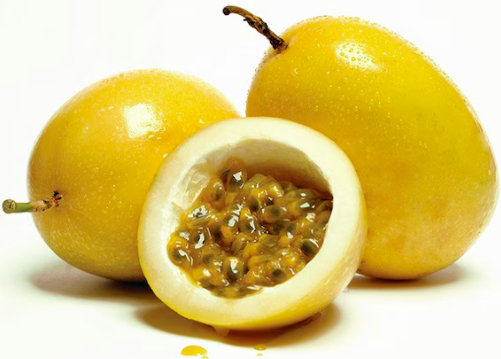
Yellow passion fruit is widely associated with juice production because the pulp delivers an assertive tropical aroma with pronounced acidity. Purple types are often described as sweeter, while yellow selections can bring the bright, sharp flavor people recognize in passion fruit drinks, sauces, and desserts. Individual plants and growing conditions still matter, so “yellow equals sour” is too simplistic.
JPFE takeaway: The ripe rind turns yellow; inside, the edible arils surround dark seeds just as they do in other P. edulis types.
More Vigor Means More Trellis—Are You Ready for It?
Yellow types are known for strong warm-weather growth. That is fantastic when the goal is to cover a large support, but it also means planning before the vine reaches the top. Tendrils grab whatever is close, and unmanaged shoots can weave into fences, trees, or neighboring plants. A broad, sturdy trellis gives you room to spread productive laterals instead of creating one dense knot.
JPFE takeaway: Do not judge eventual size by the starter pot. The little plant is temporary; the support is the long-term decision.
The Pollination Difference You Should Know Before Buying
This is one of the most important differences on the entire page: yellow passion fruit is largely self-incompatible. A flower can carry both male and female structures yet still need compatible pollen from another genetically different plant for dependable seed and fruit set. Hand pollination can help, but it cannot manufacture genetic compatibility when the pollen source is unsuitable.
JPFE takeaway: If fruit production is the goal, plan pollination as part of the planting—not as troubleshooting after months of flowers dropping.
What Does a Good Pollination Day Look Like?
Passion flowers are built for large pollinators that can contact both anthers and stigmas. In Florida, honeybees may visit, but their size and behavior do not always make them ideal passion fruit pollinators. Hand pollination is useful when natural visits are inconsistent. Fresh pollen, receptive stigmas, dry-enough weather, and compatible plants all improve the odds.
JPFE takeaway: Rain at the wrong time can interfere with pollen movement, so flower observation becomes part of growing Yellow well.
Can Yellow Passion Fruit Handle Central Florida? Yes—with a Winter Strategy
Warm, humid Florida weather can produce explosive growth, but yellow passion fruit leans tropical and cold events are the limiting reality farther north. Give it sun, drainage, airflow, and enough season to establish before cold weather. Near walls, protected courtyards, and other warmer microclimates may reduce exposure, but no microclimate makes a tropical vine freeze-proof.
JPFE takeaway: Treat cold protection as normal management rather than an emergency improvisation.
From Seed to Vine: Why Germination Can Test Your Patience
Fresh seed generally performs better than seed that has been stored for long periods. UF/IFAS reports fresh passion fruit seed may emerge in two to three weeks, while dormancy and storage can make germination slower and less uniform. Soaking, scarification, or short fermentation are among pre-germination methods reported to improve results.
JPFE takeaway: Keep the medium moist rather than waterlogged and resist digging seeds up repeatedly to “check” them; disturbance does not speed biology.
Container or Ground? Think About the Plant You’ll Have Later
A young Yellow can live in a container, but long-term success demands root volume, stable moisture, nutrition, and a trellis substantial enough for mature growth. In-ground planting gives the root system more room but makes cold protection and relocation harder. In Central Florida, that tradeoff matters.
JPFE takeaway: Pick the site based on mature-vine logistics: sun, drainage, support, access for pruning, and winter protection.
Who Should Pick Yellow Instead of Purple?
Choose Yellow when vigorous tropical growth, yellow fruit, juice-style flavor, and the challenge of managing pollination appeal to you. Choose Purple when you want the simpler first step, especially if space or compatible pollination partners are limited. Neither is “better” universally—the right answer depends on what you want from the plant.
JPFE takeaway: For JPFE, Yellow is a specialty request variety while we continue growing and documenting our stock.
Done comparing Yellow Passion Fruit (Maracuyá)?Use what you learned above to choose the plant—not just the prettiest fruit photo.
The mystery worth documenting correctly
Red Passion Fruit
Passiflora selection — identity being documented
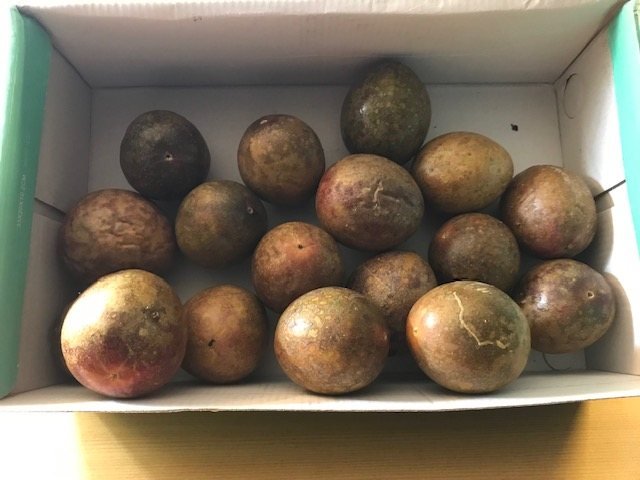
“Red passion fruit” is a trade name that can describe different cultivars or hybrids, which is exactly why we refuse to invent a scientific identity for ours. Florida has red- and burgundy-fruited P. edulis hybrids such as Panama Red, but a red rind alone does not prove a plant is that cultivar. We are growing, photographing, and documenting our plant as it matures.
Best fit: A good fit for collectors and curious growers who appreciate an uncommon passion fruit and value honest documentation over a flashy but unverified cultivar label.
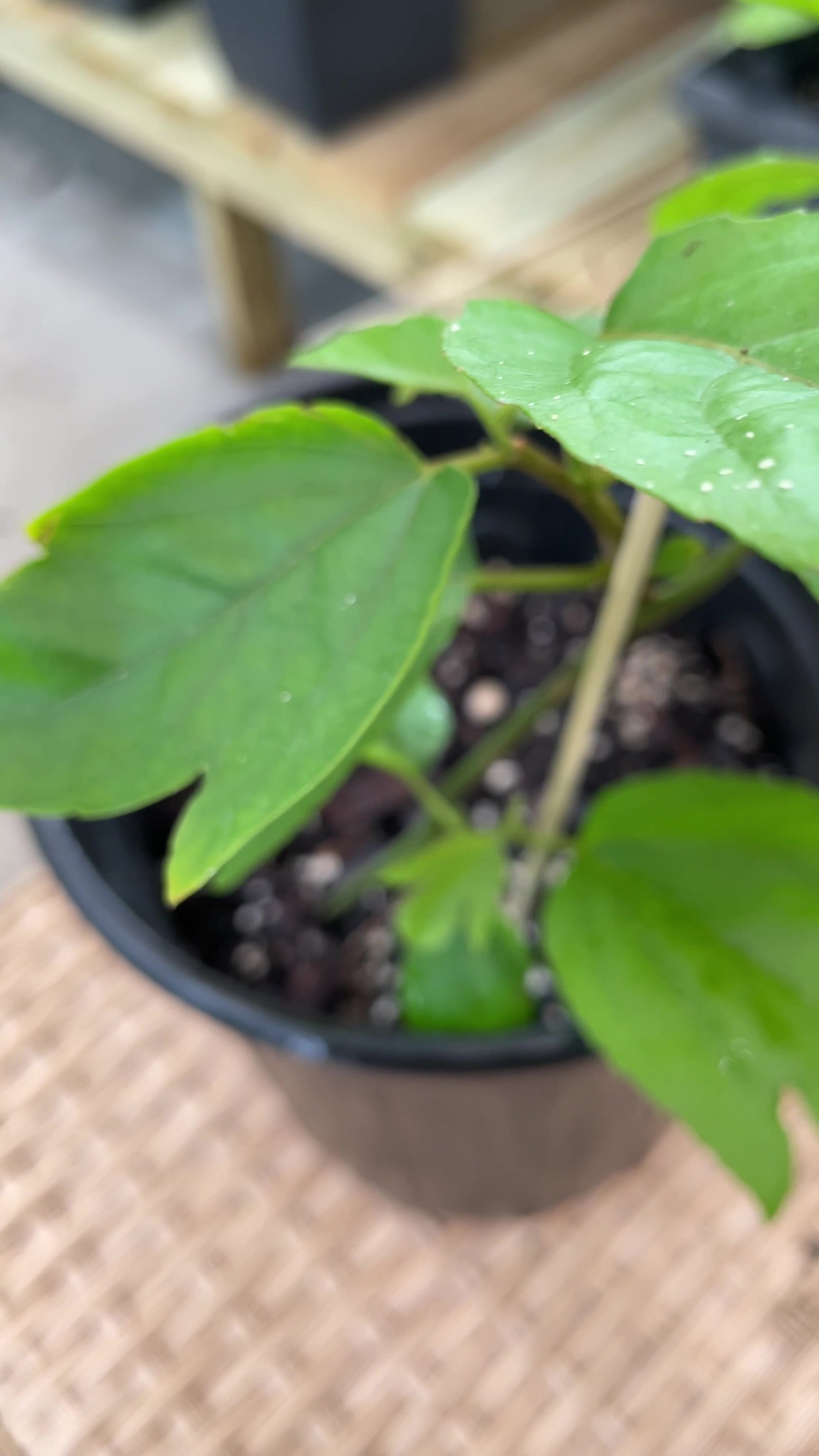
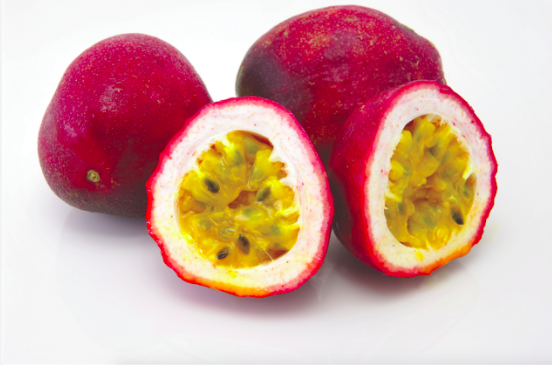
Pick the question you actually care about.Each section opens into practical growing details without turning the page into a wall of text.
First Question: What Exactly Does “Red Passion Fruit” Mean?
Unlike Purple and Yellow, “Red” is not one universally precise botanical category. Passion fruit breeding has produced hybrids and selections with burgundy, red-purple, or reddish skin, and names are not always used consistently in retail channels. That makes identification from fruit color alone unreliable.
JPFE takeaway: Our rule is simple: document what we can observe, separate observation from assumption, and update the profile as flowers and fruit give us stronger evidence.
What Can the Fruit Tell Us—and What Can’t It Prove?
Rind color, shape, pulp color, seed pattern, aroma, acidity, sweetness, and fruit size all add useful clues. None of those traits by itself is a genetic test. Even named cultivars can vary with environment, maturity, and seed-grown offspring. We use fruit photography as evidence of appearance, not as permission to attach a cultivar name we cannot verify.
JPFE takeaway: That caution is a feature, not a weakness: buyers deserve to know the difference between a known fact and a nursery guess.
Flowers Are Fingerprints—But Not Always Name Tags
Passiflora flowers can reveal valuable structural and color differences, and we photograph blooms whenever possible. Corona colors, petal and sepal appearance, flower size, and reproductive structures help compare plants. Hybrids, however, can share overlapping traits, so a beautiful flower still may not identify a cultivar conclusively.
JPFE takeaway: Our flower images are intended to help you compare visible traits while the plant’s identity remains under evaluation.
Leaves, Tendrils & Growth Habit: The Clues Before Fruit Arrives
Leaf shape, lobe depth, texture, stem form, tendril behavior, and new-growth color are among the traits we can track long before a crop ripens. These characteristics also tell a grower something practical: how aggressively the vine is climbing, how quickly it needs support, and whether new growth looks normal.
JPFE takeaway: We photograph these details because a whole-vine beauty shot often hides the very features that help identify and manage a plant.
Should You Assume Red Is Self-Pollinating? No.
Because “Red” may represent different P. edulis cultivars or hybrids, we do not assign one universal pollination rule to every plant sold under that color name. Purple P. edulis selections are commonly self-compatible, while yellow types are largely self-incompatible; hybrids can inherit different behavior.
JPFE takeaway: Until a selection is verified, observe fruit set, maintain pollinator activity, and use compatible cross-pollen when appropriate rather than betting a season on an assumption.
Growing It in Florida: Manage the Vine You Actually Have
Regardless of the final cultivar identity, a fruiting passion vine needs strong support, good light, drainage, root-zone moisture management, and attention to cold. We evaluate our Red under the same real Central Florida conditions our customers face instead of copying a tropical-country description and pretending Oviedo never freezes.
JPFE takeaway: As our plant matures, this section will become more specific based on observed vigor, flowering, fruiting, and seasonal response.
Why Seed-Grown “Red” May Not Give You a Carbon Copy
Passion fruit seedlings are sexual offspring. If the parent is a hybrid or open-pollinated selection, seedlings can segregate and show different fruit colors or other traits. UF/IFAS specifically documents segregation in passion fruit hybrids. That is why vegetative propagation matters when preserving a verified cultivar exactly.
JPFE takeaway: A seed from a red fruit is not automatically a guaranteed clone of the red-fruited parent.
Who Is Red Passion Fruit Really For?
Red is for the grower who enjoys the unusual and understands that horticulture sometimes comes with unanswered questions. If you want the most documented, straightforward JPFE starting point, Purple is easier. If you want to follow a specialty plant as we document it, Red is much more interesting.
JPFE takeaway: We keep it request-only so availability and plant status can be handled honestly rather than oversold.
Done comparing Red Passion Fruit?Use what you learned above to choose the plant—not just the prettiest fruit photo.
The giant tropical showpiece
Giant Granadilla
Passiflora quadrangularis
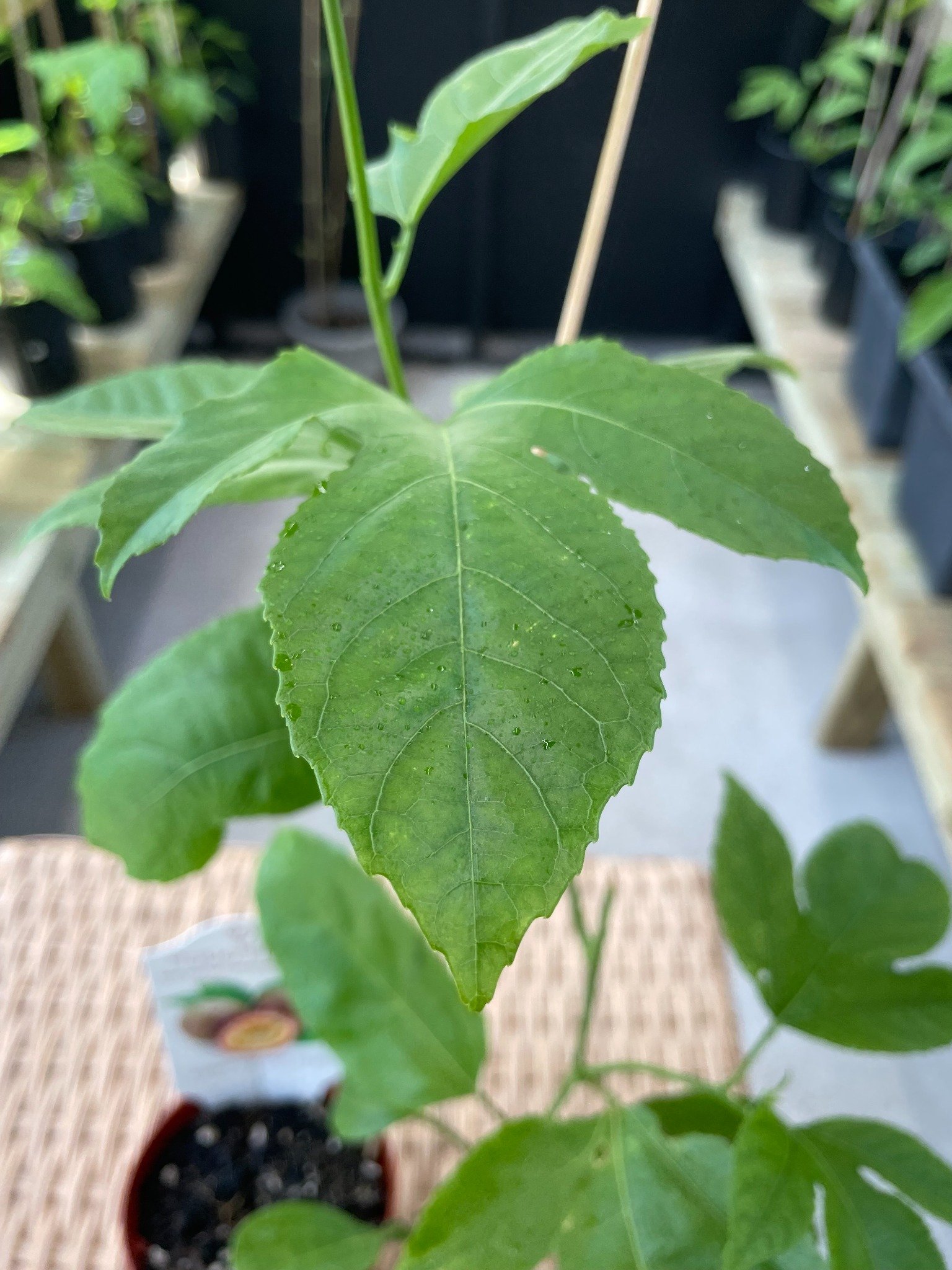
Giant Granadilla is where the comparison changes categories. Passiflora quadrangularis is a different species—not merely another color of P. edulis—and its broad foliage, heavy growth, large flowers, and famous fruit-size potential make it a true tropical showpiece. The tradeoff is equally big: it wants warmth and room.
Best fit: For tropical-fruit enthusiasts with substantial support, protected warmth, and enough space to let a genuinely large Passiflora behave like one.
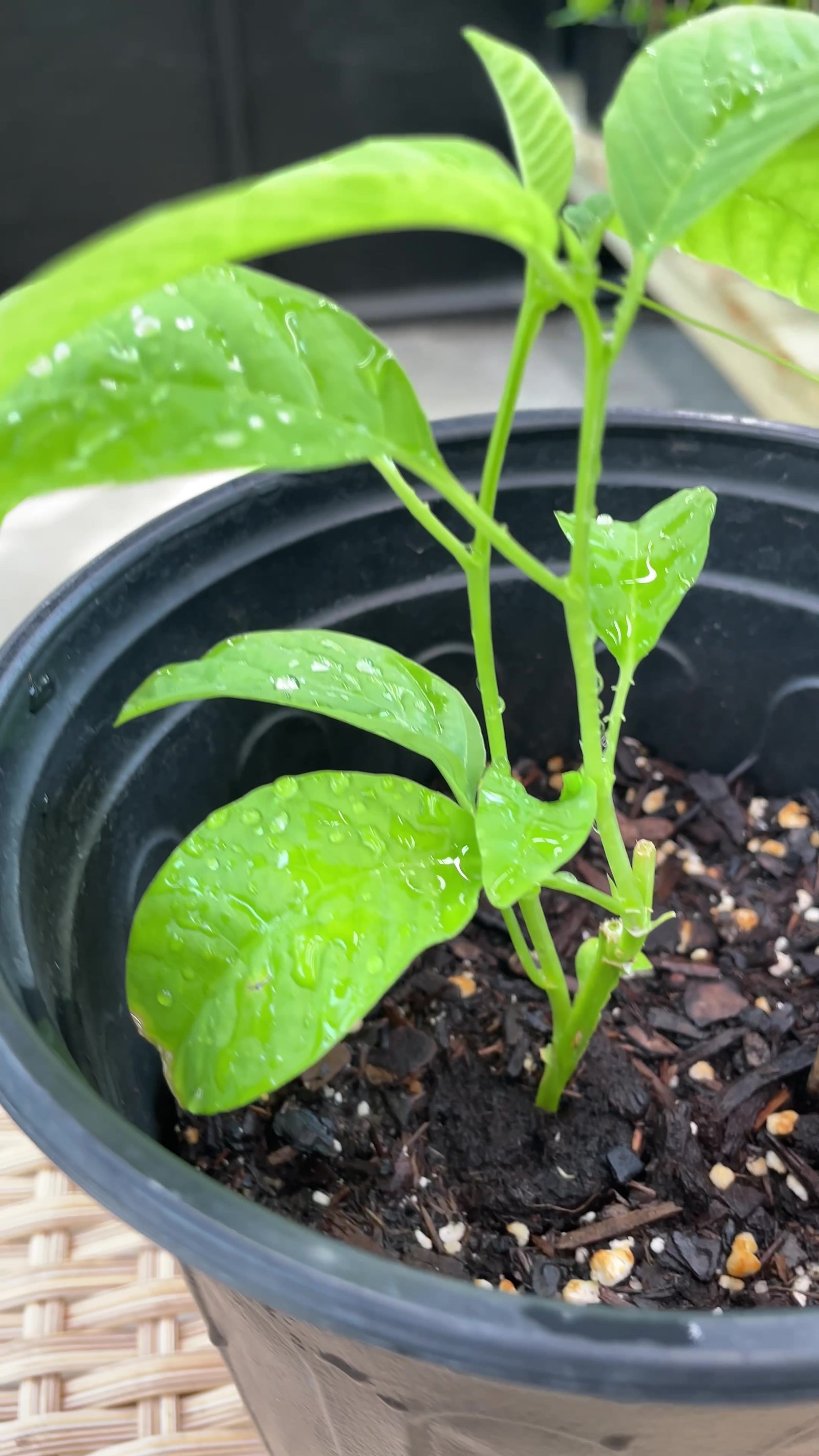
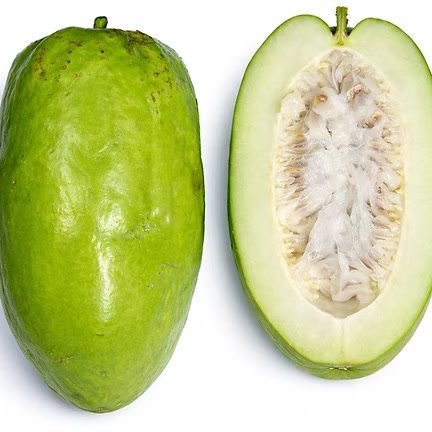
Pick the question you actually care about.Each section opens into practical growing details without turning the page into a wall of text.
Why Does Giant Granadilla Look So Different Before It Even Fruits?
The foliage gives it away early. Giant Granadilla develops broad, largely unlobed leaves that look dramatically different beside the familiar lobed leaves of many P. edulis vines. Stems can become robust, and the plant’s scale quickly communicates that this is not a compact curiosity.
JPFE takeaway: Those visual differences are why we place leaf and whole-plant photos directly beside the profile—you should be able to see what the words mean.
How “Giant” Is Giant—and What Is the Fruit Like?
The species is famous for exceptionally large fruit compared with common passion fruit. Giant Granadilla fruit develops a thick rind surrounding edible pulp and seeds, and the fleshy rind itself is also used in culinary preparations in regions where the species is grown. Fruit size varies with plant health, pollination, climate, and genetics, so “giant” describes the species potential rather than a guaranteed measurement for every fruit.
JPFE takeaway: Do not buy it solely because a photograph shows a monster fruit; buy it because you have the conditions to grow the plant that can produce one.
This Is Not the Vine for a Flimsy Little Tomato Cage
Plan structural support early. Giant Granadilla can produce substantial vine mass, and mature growth needs a trellis, pergola, fence system, or other support designed for long-term load. The structure should also let you reach growth for training, inspection, and pollination.
JPFE takeaway: The cheapest support is rarely cheap after a mature vine pulls it down. Build for the future plant, not the starter pot.
The Flowers Can Be as Impressive as the Fruit
P. quadrangularis produces large, elaborate passion flowers that are one of the species’ major ornamental attractions. Flowering is also the gateway to fruit, which means pollinator access and flower observation matter. As our JPFE plants reach flowering maturity, we will add our own close-up flower sequence to this profile rather than substituting a misleading look-alike image.
JPFE takeaway: That is part of our real-photo rule: when we do not yet have the right photograph, we would rather tell you than fake one.
Central Florida Is the Challenge: Warmth Is Not Optional
Giant Granadilla is strongly tropical and more cold-sensitive than the ordinary passion fruit most Florida gardeners know. Central Florida can provide months of excellent heat and humidity followed by a winter night that changes the entire equation. Protected placement, movable containers while young, greenhouse culture, and deliberate cold protection can extend your options.
JPFE takeaway: For an exposed landscape with no winter plan, Purple is usually the more practical choice.
Can You Grow Giant Granadilla in a Pot? Start There—But Think Ahead
A container is useful while the plant is young because it gives control over drainage and mobility during cold weather. The problem is scale: as the vine matures, both the root system and top growth demand more space, water, nutrition, and support. Container culture can become a management project rather than a permanent shortcut.
JPFE takeaway: If your long-term plan is a huge vine on a permanent structure, decide where that structure belongs before the plant forces the decision.
Propagation: The Giant Still Starts Small
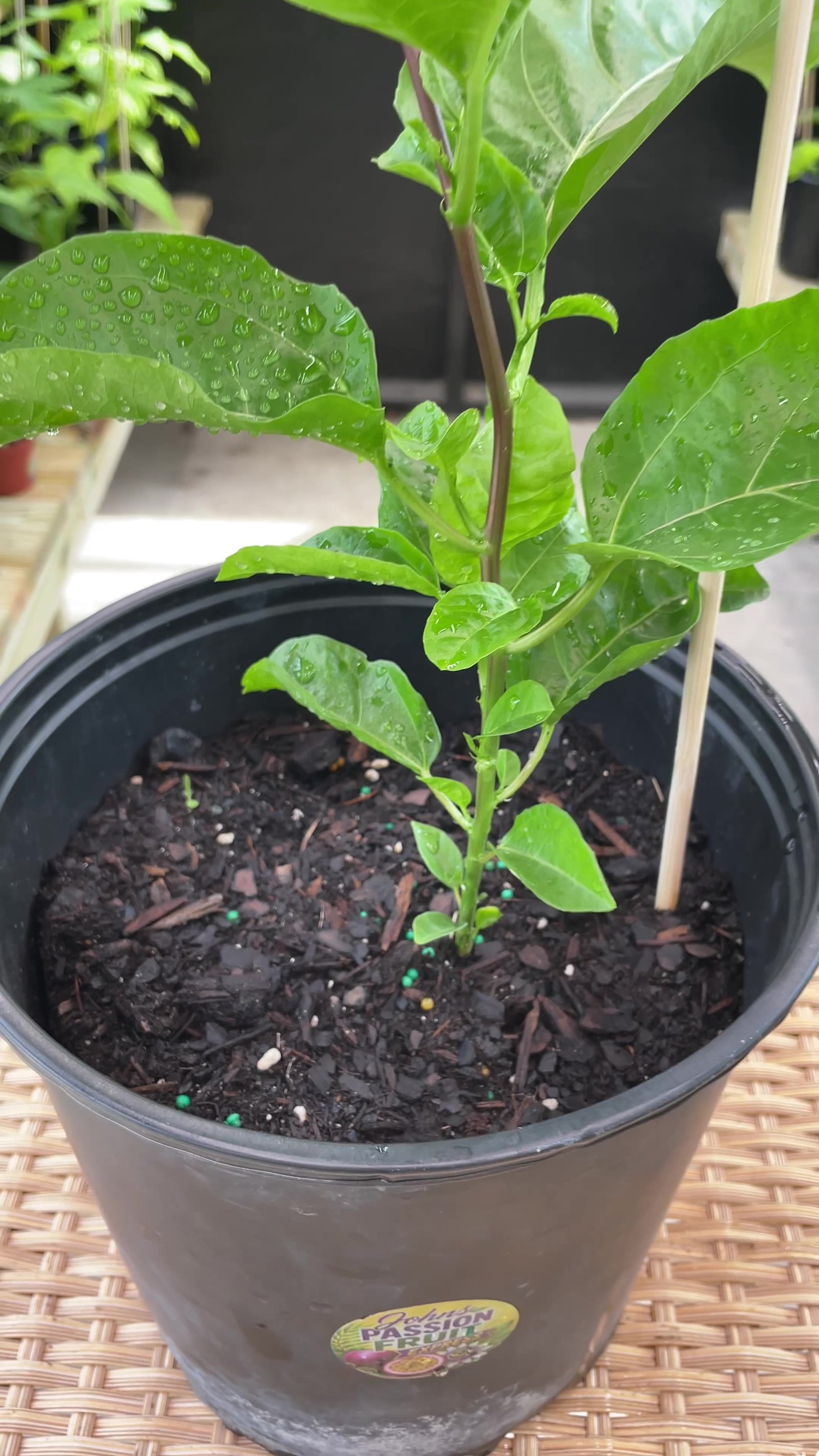
Giant Granadilla can be raised from seed, and young plants initially look deceptively manageable. Warmth, moisture balance, and patience matter during establishment. As with other seed-grown Passiflora, individual seedlings can vary; vegetative methods are useful when preserving a specific plant’s traits becomes important.
JPFE takeaway: Our own starter-to-1-gallon progression is useful precisely because customers can see how quickly the scale changes after establishment.
Spectacular or Ridiculous? Depends Entirely on Your Yard
For the right grower, Giant Granadilla is the most exciting plant on this page. For the wrong location, its size and tropical sensitivity can turn that excitement into constant management. Choose it if you want the challenge, have serious support, and can protect a tropical species. Choose Purple if you mainly want reliable entry into passion fruit growing.
JPFE takeaway: The best comparison is not “which fruit looks coolest?” It is “which plant fits the conditions I can actually provide?”
Done comparing Giant Granadilla?Use what you learned above to choose the plant—not just the prettiest fruit photo.
Buy Giant Granadilla PlantsHow we build these profiles
Greenhouse observation + Florida horticultural research.
We separate what we can document on our own plants from broader species guidance. Technical points on Florida cultivation, pollination, propagation, fruit morphology, and common problems are cross-checked against University of Florida IFAS Extension publications. Plant performance still varies with genetics, microclimate, weather, soil, containers, and care.
Research references: UF/IFAS The Passion Fruit in Florida, Passion Fruit Problems in the Home Landscape, and The Emerging Passion Fruit Industry in Florida.
Our recommendation
Start with your growing conditions—not the fruit photo.
Best first passion fruit
Purple Passion Fruit is generally the most practical starting point for gardeners balancing flavor, space, containers, and seasonal protection.
Best tropical showpiece
Giant Granadilla is the dramatic choice when you have serious support, warmth, and enough room for a powerful vine.
Best for future availability
Request updates for Red and Yellow Passion Fruit while we continue growing, documenting, and preparing healthy plants.
Chosen your variety?
Watch the Planting TutorialNow learn how to plant it correctly.
Use our step-by-step video and planting guide for soil preparation, hole width, planting depth, mulch, watering, and first-week care.
Passion fruit variety FAQ
Common questions before choosing a plant
Which passion fruit variety is best for beginners?
Purple Passion Fruit is often the most approachable starting choice because it adapts well to common trellis systems and can be grown in a sufficiently large container with dependable support.
Can passion fruit grow in Central Florida?
Yes. Passion fruit can grow vigorously in Central Florida, but cold protection, drainage, sun, watering, and strong support all matter. Tropical-leaning varieties need more winter protection.
What is the difference between Giant Granadilla and regular passion fruit?
Giant Granadilla is a different species with much broader foliage, heavier growth, and the potential for exceptionally large fruit. It needs more space and warmer conditions than a typical Purple Passion Fruit plant.
Is Yellow Passion Fruit the same as Maracuyá?
Maracuyá is a widely used Spanish name for passion fruit and commonly refers to the yellow-fruited form in many markets. We use both names so local growers can recognize the plant they are searching for.
Can I buy Red or Yellow Passion Fruit plants now?
Not currently. You can request availability notifications for both varieties through our Shop.

Passion fruit is not one department here. It is what we do.
Learn from real greenhouse plants, compare varieties with original photography, shop plants that are ready, and request the varieties still growing.
Central Florida Passion Fruit Nursery
Looking for passion fruit plants near Oviedo or Orlando?
John’s Passion Fruit Express is a Florida State Registered Nursery in Oviedo specializing in greenhouse-grown passion fruit plants. Explore local availability, Central Florida growing guidance, or current plants ready to ship or arrange for local pickup.